
Aviation Sector Contraction: 2.9% H1 Decline, Airspace Closures & Jet Fuel Inflation

India's air passenger traffic slipped into contraction during the first half (April–September) of financial year 2026–27, dropping 2.9% year-on-year according to Airports Authority of India (AAI) data. While domestic passenger traffic fell 1.9%, international travel experienced a sharper decline of 7.1%. The downturn is driven by escalating operating expenses stemming from West Asia airspace detours, surging Aviation Turbine Fuel (ATF) prices, and fleet groundings.
Prelims Key Takeaways
- Data Source: Monthly passenger traffic statistics published by the Airports Authority of India (AAI), Ministry of Civil Aviation.
- Contraction Magnitudes: Total passenger traffic fell 2.9%, with domestic flying down 1.9% and international travel dropping 7.1% in the April–September period.
- Cost Drivers: Aviation Turbine Fuel (ATF) accounts for 35% to 45% of an Indian carrier's operating cost; jet fuel prices surged 15% amid Middle East tensions.
- Regulatory Body: Directorate General of Civil Aviation (DGCA) regulates civil aviation safety and air transport licensing under the Aircraft Act, 1934.
- Aircraft Movements: Flight movements decreased synchronously, indicating airlines rationalized capacity rather than flying half-empty aircraft at high fuel burn.
Mains Analytical Dimensions
- Vulnerability to Geopolitical Shocks: Indian civil aviation is structurally sensitive to West Asian flight corridors; routing diversions around conflict zones add up to 90 minutes of flight time and thousands of liters of burnt ATF per sortie.
- Impact of High ATF Taxation: India imposes some of the world's highest state VAT rates on ATF (ranging from 1% to 29%), intensifying cost-push pressures on domestic air carriers and disincentivizing route expansion.
- Macroeconomic Repercussions: Contraction in aviation freight and business travel ripples through tourism, hospitality, and just-in-time export logistics (pharmaceuticals and perishables).
- Policy Recommendations (Naresh Chandra Committee): Expedite the inclusion of Aviation Turbine Fuel under the unified Goods and Services Tax (GST) framework with input tax credit (ITC) and accelerate Sustainable Aviation Fuel (SAF) blending mandates.
Global Carbon Emissions: 0.4% Dip in 2026 Linked to West Asia Oil Price Shocks

New climate projections released on November 15 indicate that global fossil fuel CO2 emissions are expected to record a rare 0.4% decline in 2026, breaking a six-year trend where emissions grew at an average annual rate of 0.8%. However, atmospheric scientists caution that the dip is an ephemeral shock caused by the West Asia conflict, which spiked crude oil prices by 10% to 50% and forced a 1.9% reduction in global oil emissions, while coal-fired emissions actually grew by 0.6%.
Prelims Key Takeaways
- Emissions Trajectory: Between 2019 and 2025, global fossil fuel carbon emissions rose by 0.8% annually; in 2026, emissions dropped by 0.4%.
- Fossil Fuel Breakdown: Oil-linked emissions fell by 1.9% due to supply-chain constraints and high pump prices; however, coal consumption emissions rose by 0.6% due to baseload fuel substitution.
- Global Carbon Project: An international scientific initiative that quantifies global greenhouse gas emissions and natural carbon sinks (oceans and terrestrial biosphere).
- IPCC Benchmark: Under the IPCC 1.5°C pathway, global net anthropogenic CO2 emissions must decline by roughly 43% by 2030 from 2019 levels.
- Global Methane Pledge: A voluntary commitment launched at COP26 to cut global anthropogenic methane emissions by at least 30% below 2020 levels by 2030.
Mains Analytical Dimensions
- Structural vs Crisis-Induced Decarbonisation: The 2026 dip mirrors the 2020 pandemic decline; temporary emissions contractions driven by macroeconomic pain or geopolitical blockades invariably rebound unless replaced by permanent green energy infrastructure.
- The Coal Resurgence Trap: High oil and gas prices trigger 'fuel switching' back to cheaper domestic thermal coal across developing and industrialized nations alike, undermining long-term Paris goals.
- Climate Finance Deadlock: Developing economies require predictable concessional finance and green technology transfers (Article 9 of the Paris Agreement) to decouple industrial growth from fossil fuel baseloads.
- Policy Recommendations: Mandate continuous Industrial Carbon Accounting, enforce statutory renewable purchase obligations (RPOs), and scale up battery storage to displace peaking fossil generation.
Quantum Materials Discovery: Extreme Strain Sensitivity in Magic-Angle Twisted Bilayer Graphene

Condensed matter physicists announced a major breakthrough in two-dimensional quantum materials, discovering that Magic-Angle Twisted Bilayer Graphene (MATBG) exhibits extreme mechanical strain sensitivity. Applying minor mechanical deformation drastically altered the material's electrical resistance, demonstrating an electro-mechanical gauge factor over 100 times greater than conventional metals and offering an unprecedented knob to engineer unconventional superconductivity.
Prelims Key Takeaways
- Magic Angle Physics: Discovered in 2018; when two sheets of single-atom-thick graphene are stacked and twisted at a precise angle of approximately 1.1 degrees, electron kinetic energy drops to zero and electronic correlations dominate.
- Moiré Superlattice: The slight rotational misalignment creates an interference pattern (moiré pattern) with a periodic potential that generates flat electronic energy bands.
- Unconventional Superconductivity: Below 1.7 Kelvin, MATBG exhibits zero electrical resistance, displaying behavior strongly reminiscent of high-temperature cuprate superconductors.
- Strain Sensitivity: The newly recorded piezo-resistive response exceeded ordinary copper or silicon semiconductors by over 100 times.
- Applications: Ultrasensitive quantum nano-sensors, topological quantum computing interconnects, and tunable neuromorphic transistors.
Mains Analytical Dimensions
- Simulating Unsolved Physics: Because high-temperature superconductivity in cuprates involves complex 3D lattices, 2D twisted moiré materials provide a highly controllable desktop laboratory to study strongly correlated electron physics.
- Quantum Device Engineering: Mechanical strain allows in-situ dynamic tuning of quantum phases without fabricating multiple microchips, drastically reducing R&D prototyping cycles.
- India's National Quantum Mission (NQM): With ₹6,003 crore allocated, fostering domestic synthesis of 2D materials and cleanroom nanofabrication is critical to achieving semiconductor sovereignty.
- Policy Recommendations: Establish national cleanroom user facilities for 2D heterostructures, support cryogenic instrumentation R&D, and incentivize academic-industry chip partnerships.
Epidemiological Surveillance: Coupling Mobile Network Mobility Data with Bundibugyo Virus Outbreak Tracking

In an innovative public health investigation published on November 15, epidemiologists demonstrated that integrating anonymized mobile phone cellular mobility data with clinical health records accurately modeled the transmission corridors of the Bundibugyo Virus Disease (BVD) outbreak in the Democratic Republic of Congo (DRC). The caseload, which doubled every 10 days, followed transit routes radiating from commercial trading hubs, proving the efficacy of digital contact modeling for high-fatality filovirus epidemics.
Prelims Key Takeaways
- Causative Agent: Bundibugyo ebolavirus (BDBV) is one of the six known species within the genus Ebolavirus (Family Filoviridae).
- Fatality Rate: Associated with a case fatality rate ranging between 25% and 50% (lower than Zaire ebolavirus at ~70-90%).
- Transmission Mode: Introduced into human populations through contact with infected fruit bats or primates; spreads person-to-person via direct contact with blood, secretions, or bodily fluids.
- Digital Epidemiology: Aggregated, anonymized Call Detail Records (CDRs) track population movements between districts to predict viral seeding ahead of physical clinical detection.
- Treatment Regimen: Monoclonal antibody therapies (such as mAb114 / Ansuvimab and REGN-EB3) effective against Zaire ebolavirus show limited efficacy against Bundibugyo, making early containment paramount.
Mains Analytical Dimensions
- Predictive Outbreak Containment: Real-time telecommunication mobility analytics allows public health agencies to deploy targeted ring-vaccination and quarantine checkpoints before secondary clusters ignite.
- Ethical & Privacy Considerations in Digital Surveillance: Balancing rapid epidemiological data extraction with individual privacy mandates strict adherence to anonymization, zero biometric leakage, and time-bound algorithmic sunset clauses.
- One Health Architecture: Filoviruses originate in forest interface zones; preventing spillovers requires monitoring bushmeat trade, deforestation fringes, and bat roosting ecology.
- Policy Recommendations: Integrate telecommunication operators into National Centre for Disease Control (NCDC) emergency dashboards and pre-position molecular point-of-care PCR diagnostics in tier-2 border districts.
India-Egypt Bilateral Economic Partnership: Suez Canal Economic Zone & $12B Trade Roadmap

Union Minister of Commerce and Industry Piyush Goyal embarked on a strategic two-day official visit to Cairo, Egypt, co-chairing the India-Egypt Joint Business Council (JBC) and the Joint Trade Committee (JTC). Bilateral discussions centered on achieving the $12 billion annual trade target by 2028, establishing dedicated Indian industrial manufacturing zones within the Suez Canal Economic Zone (SCZONE), and deepening green hydrogen, renewable fertilizer, and local-currency trade settlements.
Prelims Key Takeaways
- Geopolitical Designation: India and Egypt elevated their bilateral ties to a 'Strategic Partnership' in 2023 during President Abdel Fattah el-Sisi's visit to New Delhi as Chief Guest for Republic Day.
- SCZONE Strategic Value: Suez Canal Economic Zone spans 461 sq km along the Suez Canal maritime corridor, connecting Mediterranean trade with the Red Sea and Arabian Gulf.
- Bilateral Trade Target: Aims to expand trade from ~$6 billion to $12 billion within five years.
- BRICS Expansion: Egypt formally became a full member of the expanded BRICS bloc on January 1, 2024, facilitating multilateral trade de-dollarization discussions.
- Choke-Point Relevance: The Suez Canal handles roughly 12% of global commercial maritime trade and nearly 20% of container shipments.
Mains Analytical Dimensions
- Gateway to Africa and Europe: Indian manufacturing presence in the SCZONE enables zero-tariff access to the European Union and African Continental Free Trade Area (AfCFTA) markets under Egypt's preferential trade accords.
- Energy Transition Synergy: Egypt's abundant solar/wind corridors paired with Indian green energy EPC majors (ReNew Power, ACME, L&T) positions India as a primary developer of green ammonia bunkering at Suez.
- Navigating Regional Red Sea Fragility: Ongoing maritime skirmishes around Bab-el-Mandeb threaten transit revenues and shipping margins, necessitating close Indo-Egyptian naval escort and intelligence coordination.
- Policy Recommendations: Conclude a bilateral Local Currency Settlement (LCS) agreement (Rupee-Egyptian Pound) and establish a dedicated sovereign EXIM Bank line of credit for infrastructure joint ventures.
Public Sector Disinvestment: Mahanadi Coalfields Ltd Files RHP for ₹9,500 Crore IPO
Mahanadi Coalfields Limited (MCL), the largest coal-producing subsidiary of state-owned Maharatna Coal India Limited (CIL), filed its Red Herring Prospectus (RHP) for an Initial Public Offering (IPO). The public issue comprises an Offer for Sale (OFS) of up to 66.18 crore equity shares (representing a 10% equity stake), estimated to mobilize approximately ₹9,500 crore to fulfill the Centre's non-debt capital receipt targets.
Prelims Key Takeaways
- Issuer & Parent Entity: Mahanadi Coalfields Limited (MCL), headquartered in Sambalpur, Odisha; wholly owned subsidiary of Coal India Limited (CIL).
- Offer Mechanism: Offer for Sale (OFS) of 10% stake (66.18 crore equity shares), raising an estimated ₹9,500 crore; proceeds accrue to CIL and the Government.
- Production Dominance: MCL is India's largest coal-producing company, accounting for nearly 25% of Coal India's total output, predominantly extracted from the Talcher and Ib Valley coalfields.
- DIPAM Mandate: The Department of Investment and Public Asset Management (DIPAM), Ministry of Finance, manages the disinvestment of central public sector enterprises (CPSEs).
- NIF Utilization: Disinvestment proceeds are credited into the National Investment Fund (NIF) to finance social infrastructure and CPSE capital expenditure.
Mains Analytical Dimensions
- Capital Market Deepening vs Energy Security: Listing cash-rich CPSE subsidiaries unlocks enterprise value, enhances corporate governance, and provides retail investors with direct ownership in national energy assets.
- Fiscal Deficit Balancing: Mobilizing ₹9,500 crore through equity dilution eases fiscal deficit constraints without curtailing vital capital spending on roads, railways, and renewable grids.
- Decarbonisation Transition Dilemma: While coal remains indispensable for 70% of India's electricity generation, global ESG-mandated institutional funds increasingly divest from pure-play fossil fuel miners.
- Policy Recommendations: Ring-fence a fixed portion of MCL's IPO proceeds for coal-gasification technology, mine-land reclamation, and green hydrogen diversification.
Extradition Law & Sovereign Immunity: Legal Dimensions of Bangladesh's Extradition Request for Sheikh Hasina

Following the issuance of arrest warrants and a capital verdict by the International Crimes Tribunal (ICT) in Dhaka, Bangladesh's interim administration formally requested the extradition of former Prime Minister Sheikh Hasina. The bilateral diplomatic situation invokes intricate principles of international extradition law, the 2013 India-Bangladesh Extradition Treaty (amended in 2016), statutory 'political offence' exceptions, and constitutional fair-trial guarantees under Article 21.
Prelims Key Takeaways
- Governing Treaty: Bilateral Extradition Treaty between India and Bangladesh signed in 2013 and amended through a Simplified Protocol in 2016.
- Extradition Act, 1962: The domestic Indian statute regulating the extradition of fugitive criminals to foreign states with or without treaties.
- Dual Criminality Principle: Requires that the conduct for which extradition is sought must constitute an extraditable crime under the domestic penal laws of both nations.
- Article 6- Political Exception: Extradition may be refused if the offence is of a 'political character'; however, the 2016 amendment excluded murder, assault, and terrorism from political offence protections.
- Article 8- Humanitarian Grounds: Allows refusal of extradition if accusations are not made in good faith in the interests of justice or if the accused would face persecution or biased tribunals.
Mains Analytical Dimensions
- Geopolitical Dilemma: Handing over an allied former leader would destroy India's credibility as a reliable regional partner, while outright refusal risks alienating Bangladesh's interim government and driving Dhaka toward Beijing.
- International Crimes Tribunal (ICT) Legitimacy: International human rights bodies have consistently questioned the judicial independence, procedural fairness, and death-penalty sentencing standards of Dhaka's domestic ICT.
- Constitutional Safeguards Under Article 21: Indian courts hold that personal liberty and procedural fairness under Article 21 extend to foreigners facing extradition where there is a demonstrable risk of torture or summary execution.
- Policy Recommendations: Utilize prolonged judicial scrutiny under Section 5 of the Extradition Act 1962 while facilitating third-country political asylum through multilateral diplomatic mediation.
Critical Infrastructure Resilience: FAA Air Traffic Control Ground Stop & Copper-to-Fiber Transition Risks
A four-hour nationwide air traffic ground stop in the United States — the longest halt in 25 years affecting over 11,000 flights — exposed critical system vulnerabilities during legacy infrastructure upgrades. The disruption occurred when Federal Aviation Administration (FAA) contractors replacing legacy copper telecommunication cables with high-speed fiber lines overloaded antiquated relay processors, creating communications and radar blackouts across major control centers.
Prelims Key Takeaways
- Ground Stop Protocol: An air traffic management initiative where aircraft destined for affected sectors are halted at departure airports to avoid airborne holding and airspace congestion.
- Technical Root Cause: Incompatibility between legacy analog computing relays and high-bandwidth fiber optic digital inputs, causing memory buffer overflow.
- Scale of Impact: Disrupted roughly 25% of all daily US flights (~11,250 departures) and triggered cascading global flight cancellations.
- Historical Precedents: Only the second major nationwide ground stop since September 11, 2001(the previous occurred in January 2023 due to a NOTAM database crash).
- Critical Infrastructure Classification: Air traffic control systems are designated as Critical Information Infrastructure (CII) under cybersecurity and disaster statutes.
Mains Analytical Dimensions
- Legacy Modernization Paradox: Upgrading live, 24/7 mission-critical systems involves severe systemic hazards; running parallel redundant architectures is mandatory to prevent single-point cascading catastrophic collapse.
- Implications for India's National Airspace: India's air passenger growth necessitates robust cyber-physical audits of AAI's ATS automation systems (such as Auto-Trac-III in Delhi and Mumbai).
- Economic Cascades of Transportation Gridlock: A four-hour aviation outage causes hundreds of millions of dollars in direct airline losses, supply-chain delays, and missed multimodal connections.
- Policy Recommendations: Mandate 'Digital Twin' simulations before deploying physical network changes in Critical Information Infrastructure (CII) and maintain NCIIPC oversight.
Corporate Philanthropy vs Financial Regulation: Tata Trusts Opposes Mandatory Listing of Tata Sons

Tata Trusts Chairman Noel Tata publicly opposed the mandatory public stock exchange listing of Tata Sons, articulating a fundamental ethical conflict between regulatory mandates and philanthropic ownership. Under the Reserve Bank of India's (RBI) Scale Based Regulation for Non-Banking Financial Companies (SBR-NBFC), Core Investment Companies classified in the 'Upper Layer' (UL-NBFC) must list within three years. Noel Tata argued that introducing external public shareholders would subjugate Tata Sons' 100-year-old model — where 66% of equity profits fund public charity — to short-term quarterly profit pressures.
Prelims Key Takeaways
- Regulatory Framework: RBI Scale Based Regulation (SBR) categorizes NBFCs into four layers: Base Layer, Middle Layer, Upper Layer, and Top Layer based on asset size, leverage, and systemic interconnectedness.
- Listing Mandate: Upper Layer NBFCs (NBFC-UL) are required to mandatorily list on stock exchanges within 3 years of identification.
- Ownership Structure: Approximately 66% of the equity capital of Tata Sons is held by philanthropic trusts endowed by Sir Dorabji Tata and Sir Ratan Tata.
- Core Investment Company (CIC): A specialized NBFC carrying on the business of acquisition of shares and securities holding not less than 90% of its net assets in group companies.
- Ethical Maxim: 'Charity precedes commerce; charity owns commerce, not the other way around.'
Mains Analytical Dimensions
- Systemic Risk vs Philanthropic Exception: RBI's listing rule is aimed at public transparency and governance for entities with systemic leverage; however, Tata Sons argues it does not accept public deposits and operates primarily as an internal holding company.
- Short-Termism vs Long-Horizon Social Capital: Public equity markets demand quarterly EPS growth, which could incentivize aggressive dividend extractions from operating companies at the cost of long-term patient capital and social investments.
- Corporate Governance & Dual Fiduciary Duty: The debate highlights the evolving nature of corporate purpose: shareholder primacy (Milton Friedman) versus stakeholder capitalism and philanthropic stewardship.
- Policy Recommendations: The RBI could consider creating a differentiated regulatory tier for 'Pure Philanthropic Holding Companies' with rigorous non-public disclosure norms in lieu of forced retail equity flotation.
Global Value Chains: India's Dominance in Raw Hair Exports vs 2% Share in High-Value Finished Products

Data released from the Tirumala Tirupati Devasthanams (TTD) e-auction highlighted a critical structural paradox in India's global trade footprint. While TTD auctioned 97.3 tonnes of human hair for ₹119.5 crore (fetching up to ₹84,314 per kg for long natural black hair), industry reports reveal that India produces over 80% of the world's raw virgin hair but captures only 2% of the multi-billion-dollar global value-added wig and extension market, with China and Africa capturing the lion's share of finishing margins.
Prelims Key Takeaways
- Raw Supply Dominance: India accounts for roughly 80% of global raw virgin human hair, largely sourced from religious tonsuring traditions at southern temples (Tirupati, Palani, Tiruttani).
- TTD Auction Scale: The September 2026 e-auction on Andhra Pradesh's Konugolu platform mobilized ₹119.5 crore from 97.3 metric tonnes.
- Value-Addition Deficit: India captures less than 2% of global value-added finished products (wigs, toupees, extensions); China imports raw Indian hair, manufactures finished products, and re-exports to the US and Europe at 5x to 10x value multiples.
- Export Restrictions: Directorate General of Foreign Trade (DGFT) placed raw human hair under the 'Restricted' export category in 2022 to curb illicit smuggling across Myanmar and Bangladesh borders.
- HS Code Classification: Governed under Chapter 67 of the Indian Harmonised System (HS Code 6703 and 6704).
Mains Analytical Dimensions
- Escaping the Primary Commodity Trap: India's hair trade exemplifies the classic export trap where developing nations export raw agricultural/natural resources at low margins while importing finished consumer goods.
- Informal Supply Chains & Exploitation: The unorganized domestic collection network (door-to-door ragpickers and salon collection) operates with zero social security and rampant intermediate leakages.
- Industrial Upgrading in Labor-Intensive MSMEs: Setting up modern hair-processing, chemical treatment, and precision wig-weaving clusters in backward districts could generate over 100,000 skilled jobs for rural women.
- Policy Recommendations: Provide capital subsidies under the PM-VISHWAKARMA or Scheme for Integrated Textile Parks (SITP) for wig-processing technology and eliminate import duties on styling machinery.
Inter-State River Water Governance: Legal & Hydrological Dimensions of Mekedatu Balancing Reservoir Dispute

Renewed political demands in Karnataka to construct the 67 TMC Mekedatu balancing reservoir across the Cauvery river reignited intense inter-state friction with Tamil Nadu. Tamil Nadu authorities registered strong constitutional and legal objections, asserting that any upstream impoundment at Mekedatu violates the Supreme Court's 2018 final decree, deprives downstream Delta farmers of seasonal monsoonal flows, and requires mandatory consent from all co-basin states.
Prelims Key Takeaways
- Project Details: Proposed by Karnataka at a cost of ~₹9,000 crore at Mekedatu (deep gorge) at the confluence of the Cauvery and Arkavathi rivers in Kanakapura taluk, Ramanagara district.
- Storage & Hydro Capacity: Designed storage capacity of 67 TMC (thousand million cubic feet) with a 400 MW hydroelectric power station, ostensibly to supply drinking water to Bengaluru.
- Constitutional Mandate: Article 262 empowers Parliament to adjudicate disputes relating to waters of inter-state rivers; implemented via the Inter-State River Water Disputes Act, 1956.
- CWMA & CWRC: Cauvery Water Management Authority (CWMA) and Cauvery Water Regulation Committee (CWRC) were constituted in 2018 under Supreme Court directions to regulate seasonal water releases at Biligundlu.
- Downstream Allocation: Under the 2018 SC verdict, Karnataka must ensure 177.25 TMC of water annually to Tamil Nadu at the inter-state border gauging site at Biligundlu.
Mains Analytical Dimensions
- Federalism and River Basin Equity: As an upper riparian state, Karnataka's unilateral dam construction disrupts the fragile inter-state equilibrium established after five decades of litigation.
- Ecological Impact on Protected Areas: Mekedatu reservoir would submerge over 5,000 hectares of forest land within the Cauvery Wildlife Sanctuary, threatening elephant migratory corridors.
- Agricultural Vulnerability of the Cauvery Delta: The Delta ('Rice Bowl of Tamil Nadu') depends entirely on timely, unhindered South-West monsoon releases for the Kuruvai and Thaladi paddy crops.
- Institutional Remedies: Reinvigorate the technical dispute-resolution mandate of the CWMA, deploy automated satellite-telemetry inflow monitoring, and mandate joint ecological impact assessments before DPR clearance.
Janjatiya Gaurav Divas 2026: Evaluating Tribal Welfare Interventions Under DAJGUA & PM-JANMAN

India observed the nationwide Janjatiya Gaurav Divas on November 15, commemorating the 151st birth anniversary of iconic tribal freedom fighter and folk hero Bhagwan Birsa Munda. The occasion served to evaluate the pan-India implementation of the Dharti Aaba Janjatiya Gram Utkarsh Abhiyan (DAJGUA) covering over 63,000 tribal-majority villages, alongside the Pradhan Mantri Janjati Adivasi Nyaya Maha Abhiyan (PM-JANMAN) designed for 75 Particularly Vulnerable Tribal Groups (PVTGs).
Prelims Key Takeaways
- Birth & Heritage: Bhagwan Birsa Munda was born on November 15, 1875, in Ulihatu (Khunti district, Jharkhand); spearheaded the historic Ulgulan (Great Tumult) rebellion (1899–1900) against British colonial land policies and moneylenders.
- Janjatiya Gaurav Divas Declaration: The Union Government officially notified November 15 as Janjatiya Gaurav Divas in 2021.
- DAJGUA Coverage: Dharti Aaba Janjatiya Gram Utkarsh Abhiyan targets comprehensive infrastructure in 63,843 villages across 549 districts, benefiting over 5 crore tribal citizens.
- PM-JANMAN Framework: Launched in November 2023 with an outlay of ₹24,104 crore focusing on 11 critical interventions across 75 PVTGs in 18 states and UTs.
- Constitutional Safeguards: Fifth Schedule (Article 244(1)) governs scheduled areas in 10 states; Sixth Schedule (Article 244(2)) grants autonomous district councils in Assam, Meghalaya, Tripura, and Mizoram.
Mains Analytical Dimensions
- Decolonising Historical Consciousness: Elevating Birsa Munda's legacy restores the decisive contribution of Adivasi rebellions (Santhal, Munda, Rampa) to India's freedom struggle, countering Eurocentric colonial narratives.
- Closing the Human Development Gap: PVTGs continue to experience disproportionate burdens of sickle cell anemia, maternal undernutrition, and land alienation despite affirmative constitutional reservations.
- Forest Rights Act (FRA) 2006 Implementation: Effective empowerment requires expediting Community Forest Rights (CFR) titles rather than restricting recognition to individual cultivation patta.
- Policy Recommendations: Institutionalize mobile healthcare vans for sickle cell screening, support Minor Forest Produce (MFP) value addition through TRIFED Van Dhan Vikas Kendras, and expand Eklavya Model Residential Schools (EMRS).
Ninth Schedule & Reservation Jurisprudence: Karnataka Cites Tamil Nadu 69% Model to Protect Enhanced SC/ST Quotas
Karnataka Chief Minister D.K. Shivakumar and Deputy CM G. Parameshwara petitioned the Union Government to initiate a Constitutional amendment placing the State's enhanced reservation law in the Ninth Schedule of the Constitution. The legislation, which increased SC reservation from 15% to 17% and ST reservation from 3% to 7% (raising total quotas to 56%), was struck down by the Karnataka High Court for breaching the 50% ceiling mandated by the Supreme Court in the 1992 Indra Sawhney ruling. The state explicitly cited Tamil Nadu's 69% reservation law, protected under the Ninth Schedule via the 76th Constitutional Amendment Act, 1994, as a binding precedent.
Prelims Key Takeaways
- Article 31B & Ninth Schedule: Introduced by the 1st Constitutional Amendment Act, 1951, to immunize specified agrarian and welfare enactments from judicial review on grounds of fundamental rights violations.
- I.R. Coelho v. State of Tamil Nadu (2007): Supreme Court 9-judge Constitution Bench held that laws placed in the Ninth Schedule after April 24, 1973 (the date of the Kesavananda Bharati verdict) are subject to judicial review if they damage the Basic Structure of the Constitution.
- Indra Sawhney v. Union of India (1992): Imposed a strict 50% ceiling on backward class reservations unless exceptional, extraordinary circumstances in remote areas are established.
- 76th Constitutional Amendment Act, 1994: Inserted Tamil Nadu's Backward Classes, Scheduled Castes and Scheduled Tribes (Reservation of Seats in Educational Institutions and of Appointments or Posts in the Services under the State) Act, 1993, into the Ninth Schedule as Entry 257A to insulate its 69% quota.
- Judicial Commissions: Karnataka's enhanced quota was based on the Justice H.N. Nagamohan Das Committee report recommending affirmative action expansion based on demographic proportion.
Mains Analytical Dimensions
- The 50% Ceiling vs Demographic Realities: States argue that capping reservation at 50% based on 1931 census paradigms fails to reflect contemporary demographic shifts and social backwardness revealed by modern empirical surveys.
- Judicial Review Post-I.R. Coelho: Placing an act in the Ninth Schedule no longer offers absolute judicial immunity; any quota exceeding 50% must demonstrate non-violation of the equality code (Articles 14, 15, and 16) and satisfy the test of basic structure.
- Sub-Classification within SCs/STs: Following the landmark 7-judge Constitution Bench ruling in 2024 upholding states' power to sub-classify SCs/STs (overruling E.V. Chinnaiah), states possess greater leeway to target affirmative benefits to the most marginalized sub-castes (e.g., Madigas in AP/Telangana, Arunthathiyars in TN).
- Policy Recommendations: Conduct a rigorous, empirical, transparent national caste census and establish statutory criteria to determine 'exceptional backwardness' justifying quota adjustments.
Electoral Roll Integrity: ECI Assures Supreme Court on Restoring Inadvertently Omitted Electors Under Rule 21(1)

In a supplementary affidavit submitted to the Supreme Court of India, the Election Commission of India (ECI) detailed institutional safeguards to ensure that legitimate citizens wrongly categorized as 'absent, shifted, dead, or duplicate' (ASDD) during draft electoral roll revisions are systematically restored. The ECI notified that Electoral Registration Officers (EROs) will process re-inclusion applications under Rule 21(1) of the Registration of Electors Rules, 1960, re-assigning the original Elector's Photo Identity Card (EPIC) number without initiating criminal prosecution.
Prelims Key Takeaways
- Legal Framework: Governed by the Representation of the People Act, 1950, and the Registration of Electors Rules, 1960.
- Rule 21(1) Procedure: Mandates the inclusion of names inadvertently omitted from the draft roll during summary revisions upon verification of residence.
- ASDD Category: Refers to electors marked as Absent, Shifted, Dead, or Duplicate, subject to field verification by Booth Level Officers (BLOs).
- Digital Facilitation: Electors can submit Annexure A (Enumeration Form) online via the ECINET portal with e-sign or physical submission to ERO/AERO/BLO, supplemented by the 'Book a call with BLO' facility.
- EPIC Preservation: Re-included electors retain their original unique EPIC number to ensure unbroken electoral continuity.
Mains Analytical Dimensions
- Right to Vote and Democratic Legitimacy: Arbitrary or erroneous deletions of eligible citizens violate the constitutional principle of universal adult suffrage under Article 326 and disenfranchise vulnerable, migrant, and minority communities.
- Algorithmic vs Field Verification: While digital deduplication tools expedite roll cleaning, over-reliance on automated algorithms without rigorous, in-person BLO field verification risks mass inadvertent disenfranchisement.
- Supreme Court Oversight: Public interest litigation challenging deletions reinforces the judiciary's role as a guarantor of transparent, accessible, and inclusive election administration.
- Policy Recommendations: Mandate public display of ASDD deletion lists at village panchayat and ward offices 30 days prior to final publication and provide SMS alerts to registered mobile numbers before deletion.
Zoonotic Disease Surveillance: H5N1 Avian Influenza Outbreak in Cuddalore & Veterinary Containment Protocols
The confirmation of Highly Pathogenic Avian Influenza (HPAI H5N1) at a poultry farm in Kattiyankuppam village, Kurinjipadi taluk of Cuddalore district, Tamil Nadu, triggered a full-scale veterinary containment operation. Following testing by the National Institute of High Security Animal Diseases (NIHSAD), Bhopal, district authorities deployed nine Rapid Response Teams to cull over 40,000 birds within a 1-kilometer infected zone, enforcing strict bio-security burial protocols and a three-month poultry restocking prohibition.
Prelims Key Takeaways
- Viral Etiology: Highly Pathogenic Avian Influenza (HPAI) is caused by influenza A viruses, primarily the H5N1 subtype (Family Orthomyxoviridae), possessing high mortality in gallinaceous poultry.
- Apex Referral Laboratory: The National Institute of High Security Animal Diseases (ICAR-NIHSAD) in Bhopal, Madhya Pradesh, operates India's premier BSL-3+ bio-containment animal diagnostic facility.
- State Diagnostic Centers: Poultry Disease Diagnostic Laboratories (PDDL) in Namakkal and Erode, and Central University Laboratory (CUL), Madhavaram, Chennai.
- Containment Protocol: Governed by the Government of India's National Action Plan for Prevention, Control, and Containment of Avian Influenza (2021); mandates 100% culling within a 1-kilometer radius (Infected Zone) and intensive surveillance in a 1-10 km radius (Surveillance Zone).
- Bio-Security Disposal: Carcasses disposed through deep burial in designated pits with calcium hydroxide (bleaching powder) and quaternary ammonium compounds (VIRKON-S disinfection).
Mains Analytical Dimensions
- Zoonotic Spillover Threat: H5N1 poses a severe global public health risk due to its high case-fatality rate in humans (~50%) and potential to acquire mammalian airborne transmissibility via reassortment with seasonal flu viruses.
- Economic Impact on Agrarian Livelihoods: Culling devastates smallholder backyard poultry farmers and commercial poultry clusters; prompt direct benefit transfer (DBT) compensation is crucial to prevent under-reporting of bird mortalities.
- One Health Framework: Migratory birds traveling along the Central Asian Flyway (CAF) act as wild reservoirs; continuous active sampling at wetland sanctuaries (e.g., Pichavaram, Vedanthangal) is essential.
- Policy Recommendations: Increase central compensation rates per culled bird, establish state-level mobile molecular PCR diagnostic units, and enforce strict biosecurity audits on commercial hatcheries.
Aviation Sector Contraction: 2.9% H1 Decline, Airspace Constraints & Fleet Grounding

Data released by the Directorate General of Civil Aviation (DGCA) and credit rating agency ICRA revealed that India's domestic air passenger traffic contracted by 2.9% year-on-year in the first half of FY27 (April–September), handling 7.72 crore passengers compared to 7.95 crore in H1 FY26.
- Fleet Groundings: Approximately 140 commercial airliners (nearly 18% of India's commercial fleet) remain grounded across major airports due to persistent Pratt & Whitney engine inspection backlogs and global component supply delays.
- Airspace Congestion: Escalating geopolitical tensions across West Asia forced international and domestic carriers to reroute through congested northern and southern flight corridors, driving up fuel burn and operating costs.
- Aviation Turbine Fuel (ATF) Pressures: ATF prices surged by 6.4% quarter-on-quarter, constraining airline operating margins despite high load factors averaging 85% on metro-to-metro trunk routes.
- Policy Intervention: The Ministry of Civil Aviation urged the GST Council to expedite the inclusion of ATF under the unified GST regime with full input tax credit to restore fiscal competitiveness.
Global Carbon Emissions: 0.4% Dip in 2026 Linked to Energy Shocks & Geopolitical Supply Disruptions

The Global Carbon Project's 2026 Carbon Budget report, released ahead of COP31 in Antalya, projected that global fossil fuel carbon dioxide (CO2) emissions will decline by 0.4% in 2026 to 38.2 billion tonnes, driven primarily by supply disruptions in West Asia rather than accelerated structural energy transition.
- Fossil Fuel Breakdown: Oil emissions experienced the sharpest contraction of 1.9% due to maritime chokepoint transit delays and refinery outages, while coal emissions remained largely flat globally (+0.1%).
- Regional Divergence: Emissions in the European Union and the United States dropped by 2.8% and 1.6% respectively, whereas India's fossil fuel emissions grew by 4.4%, propelled by high industrial and cooling demand.
- Shrinking Carbon Budget: The report warned that the remaining carbon budget to cap global warming at 1.5°C with a 50% likelihood has dwindled to just 150 billion tonnes, equivalent to roughly 3.8 years of current emissions.
- Land-Use Offsets: Increased peat fires and tropical deforestation in Southeast Asia pushed total anthropogenic emissions (fossil + land use) to an all-time peak of 43.3 billion tonnes.
Quantum Materials Discovery: Extreme Strain Sensitivity in 2D Superconductors

An international research consortium led by condensed matter physicists from the Indian Institute of Science (IISc) demonstrated that applying uniaxial mechanical strain to monolayer transition metal dichalcogenide (TMD) superconductors enhances their critical transition temperature (Tc) by 240% at ambient pressure.
- Lattice Engineering: By exfoliating 2D niobium diselenide (NbSe2) onto flexible polymeric substrates, researchers induced a 1.8% lattice elongation, effectively modulating electron-phonon coupling without chemical doping.
- Bypassing High-Pressure Chambers: The breakthrough eliminates the requirement for bulky megabar diamond anvil cells, providing a scalable pathway for planar cryogenic circuitry in quantum processors.
- Meissner Effect Verification: Zero electrical resistance and robust magnetic flux expulsion were confirmed using high-resolution superconducting quantum interference devices (SQUIDs).
- National Quantum Mission (NQM): The Department of Science and Technology (DST) integrated the research into NQM's Quantum Materials Thematic Hub with a sanctioned grant of ₹48 crore.
Epidemiological Surveillance: Coupling Mobile Network Mobility with Pathogen Genomics

A collaborative epidemiological framework developed by the National Centre for Disease Control (NCDC) and IIT Madras demonstrated that fusing anonymized cellular mobile network mobility matrices with wastewater metagenomic pathogen sequencing predicts disease outbreak trajectories 14 days ahead of clinical hospital admissions.
- Metagenomic Precision: The platform sequences untargeted viral RNA from municipal sewage outfalls, detecting sub-lineages of respiratory and enteric pathogens at concentrations as low as 5 copies per millilitre.
- Spatial Mobility Modeling: Aggregated mobile tower handover data models transmission corridors along arterial highway networks, enabling preemptive resource prepositioning across district hospitals.
- Privacy Preserving Architecture: The computational architecture employs differential privacy and k-anonymity protocols, fully compliant with the Digital Personal Data Protection (DPDP) Act, 2023.
- Pilot Rollout: NCDC is expanding the unified surveillance model across 20 million-plus urban agglomerations under the Pradhan Mantri Ayushman Bharat Health Infrastructure Mission (PM-ABHIM).
India-Egypt Bilateral Economic Partnership: Suez Canal Economic Zone & Local Currency Settlement

Union Minister of Commerce and Industry Piyush Goyal held extensive bilateral negotiations in New Delhi with Egyptian Minister of Investment and Foreign Trade Hassan El-Khatib, finalizing the operational blueprint for an exclusive Indian Industrial Special Economic Zone in the Suez Canal Economic Zone (SCZone) and advancing a local currency (INR-EGP) settlement framework.
- Strategic Logistics Gateway: The dedicated 1,000-acre Indian industrial zone at Ain Sokhna offers direct duty-free market access to Europe, Africa, and the Middle East under Egypt's existing free trade pacts (GAFTA, COMESA).
- Target Sectors: Bilateral investments will focus on green hydrogen manufacturing, specialty chemicals, automotive components, and pharmaceutical active pharmaceutical ingredients (APIs).
- Currency Mechanism: To bypass foreign exchange constraints, the Reserve Bank of India and the Central Bank of Egypt agreed to open Special Rupee Vostro Accounts (SRVA) to clear non-oil trade settlements.
- Bilateral Trade Target: Both nations reaffirmed their strategic commitment to expand annual two-way merchandise and services trade from the current $6.5 billion to $12 billion by 2028.
Public Sector Disinvestment: Mahanadi Coalfields Ltd Files Draft IPO Papers with SEBI
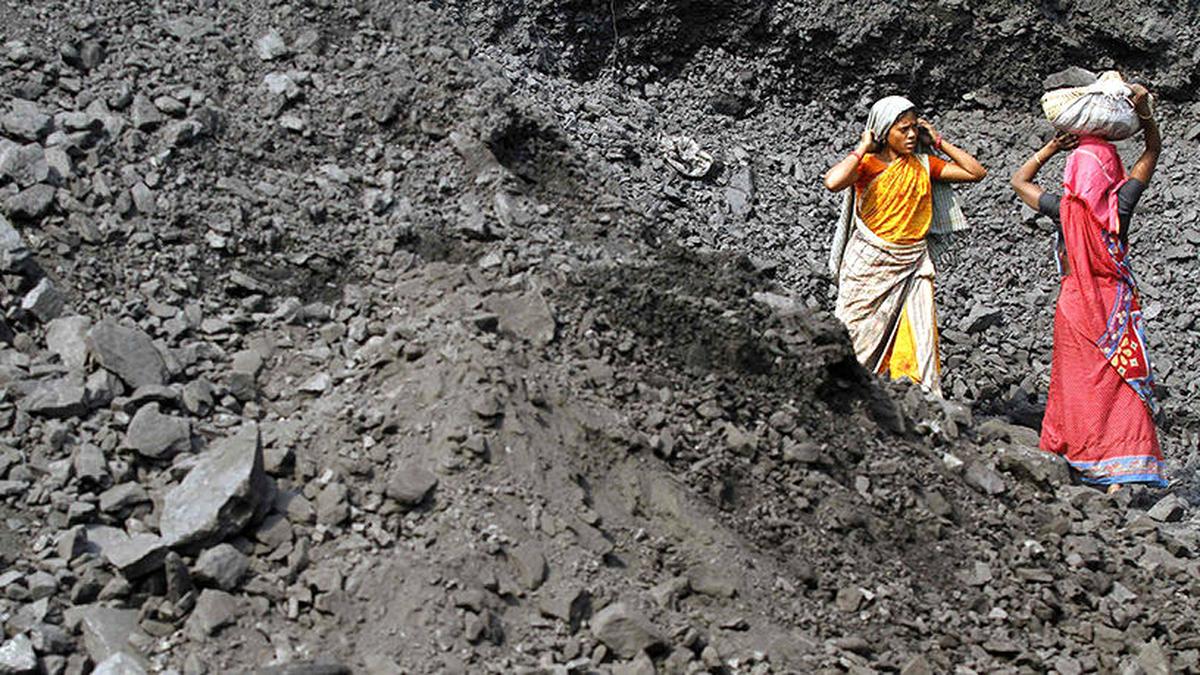
Mahanadi Coalfields Limited (MCL), the largest and most profitable coal-producing subsidiary of state-owned Coal India Limited (CIL), officially filed its Draft Red Herring Prospectus (DRHP) with SEBI for a proposed ₹4,500-crore Initial Public Offering (IPO) through an Offer for Sale (OFS) of up to 10% government equity.
- Production Prominence: Operating in the Talcher and Ib Valley coalfields of Odisha, MCL produced 206 million tonnes (MT) of raw coal in FY26, contributing over 27% of Coal India's total domestic output.
- Financial Strength: MCL reported an operating revenue of ₹38,500 crore with an EBITDA margin of 38%, positioning it as one of the lowest-cost open-cast mining entities globally.
- DIPAM Disinvestment Target: The listing will assist the Department of Investment and Public Asset Management (DIPAM) in achieving its FY27 capital receipt target of ₹50,000 crore.
- Green Transition Commitments: MCL earmarked ₹12,000 crore from internal accruals to install 2,500 MW of solar power plants and mechanized First Mile Connectivity (FMC) rail corridors by 2028.
Extradition Law & Sovereign Immunity: Legal Dimensions of Bangladesh Request for Sheikh Hasina

Following the issuance of arrest warrants by Bangladesh's International Crimes Tribunal (ICT), legal scholars and diplomats examined the legal parameters governing Bangladesh's formal extradition request for former Prime Minister Sheikh Hasina under the 2013 India–Bangladesh Extradition Treaty.
- Extradition Treaty Provisions: Article 6 of the 2013 Treaty provides an exception allowing refusal of extradition if the requested offence is of a 'political nature'.
- Exclusion of Heinous Crimes: The 2016 amended protocol to the Treaty expressly excludes crimes against humanity, murder, and violent acts from being classified as political offences.
- Statutory Discretion: Under Section 29 of the Indian Extradition Act, 1962, the Central Government retains sovereign discretion to refuse extradition if the trial is deemed not in good faith or biased.
- Bilateral Geopolitical Stakes: New Delhi balances statutory treaty obligations with regional security stability, maritime transit treaties, and protection of minority rights in the neighbourhood.
Critical Infrastructure Resilience: FAA Air Traffic Control Ground Stop & Systems Obsolescence

A massive nationwide communication and radar tracking software failure in the Federal Aviation Administration's (FAA) En Route Automation Modernization (ERAM) system triggered an unprecedented 4-hour ground stop across all U.S. commercial airports on November 13, canceling over 3,200 flights and exposing critical vulnerabilities in global civil aviation digital infrastructure.
- Failure Mechanism: The outage was caused by a corrupted database synchronization script during routine maintenance of legacy telecommunication lines linking Boston and New York air route traffic control centers.
- Systemic Fragility: Global aviation safety analysts noted that the incident highlights severe underinvestment in civil aviation IT infrastructure, where legacy systems dating back decades lack autonomous self-healing capabilities.
- Global Ripple Effect: International transit flights operating from Europe and Asia experienced severe holding patterns, diverting to Canadian and Caribbean hubs and causing over $450 million in airline operational losses.
- Indian Implications: The Airports Authority of India (AAI) initiated an independent audit of its Auto-Track-III air traffic management system across Delhi, Mumbai, and Chennai to ensure zero-point single failures.
Corporate Philanthropy vs Financial Regulation: Tata Trusts Governance Structure & RBI NBFC-UL Norms

Following the appointment of Noel Tata as Chairman of Tata Trusts, discussions intensified around corporate governance reforms, cross-holding disclosures, and the regulatory tension between philanthropic public charitable trusts and Reserve Bank of India (RBI) Scale-Based Regulations governing Upper-Layer Non-Banking Financial Companies (NBFC-UL).
- Ownership Interlock: Tata Trusts (primarily Sir Dorabji Tata Trust and Sir Ratan Tata Trust) hold an aggregate 66% equity stake in Tata Sons, the principal promoter holding company of the $165-billion salt-to-software conglomerate.
- RBI Upper-Layer Listing Mandate: Under RBI's scale-based regulations, Tata Sons was classified as a Core Investment Company (CIC) in the Upper Layer, carrying a mandatory requirement to list on stock exchanges within three years.
- De-Registration Option: Tata Sons sought regulatory permission to voluntarily surrender its CIC registration by repaying outstanding market borrowings to remain an unlisted private holding firm.
- Philanthropic Governance: The legal framework highlights the delicate balance between charitable public trust obligations under the Maharashtra Public Trusts Act and commercial fiduciary duties toward public minority shareholders.
Global Value Chains: India's Dominance in Raw Hair Exports & Value-Addition Industrial Policy

Industry trade bodies and the Andhra Pradesh Chambers of Commerce petitioned the Directorate General of Foreign Trade (DGFT) to impose export duties on raw unprocessed human hair, urging a national policy pivot toward domestic value-added wig and hair-extension manufacturing.
- Export Scale: India exports over ₹2,200 crore worth of raw and semi-processed human hair annually, accounting for nearly 80% of the world's premium 'virgin temple hair' collected from major pilgrimage shrines like Tirupati.
- Value Disparity: Raw hair exported at $40 to $80 per kg to China, Vietnam, and Myanmar is processed into specialized medical wigs and extensions that retail internationally at $500 to $1,500 per unit.
- Regulatory Loopholes: The trade body highlighted illegal cross-border smuggling through land borders that evades the minimum export price (MEP) of $50 per kg mandated by DGFT.
- Employment Potential: Establishing domestic processing clusters in Andhra Pradesh, Tamil Nadu, and West Bengal could generate over 1.5 lakh formal manufacturing jobs, predominantly employing rural women artisans.
Inter-State River Water Governance: Legal & Hydrological Precedents in the Cauvery Basin

The revived friction between Karnataka and Tamil Nadu over the proposed Mekedatu Balancing Reservoir underscores deep-seated constitutional, ecological, and hydrological challenges in India's inter-state river water adjudication architecture under the Inter-State River Water Disputes Act, 1956.
- Helsinki and Berlin Rules: International water law principles mandate 'equitable and reasonable utilization' without causing significant harm to downstream co-basin riparian states.
- CWMA Regulatory Mandate: The Cauvery Water Management Authority (CWMA) functions as a statutory body under Section 6A of the 1956 Act, possessing exclusive jurisdiction to regulate reservoir operations and monitor distress-sharing formulas.
- Distress Sharing Formula: In deficit rainfall years, water release quotas must be prorated across all basin states in proportion to monsoon shortfall percentages determined by the Central Water Commission (CWC).
- Environmental Federalism: The project's proposed submergence of 4,996 hectares within the Cauvery Wildlife Sanctuary triggers strict clearance scrutiny under the Forest (Conservation) Act and the Wildlife (Protection) Act, 1972.
Janjatiya Gaurav Divas 2026: Evaluating Tribal Welfare Frameworks & DAJGUA Outlay
On the 150th birth anniversary of tribal freedom icon Bhagwan Birsa Munda, the Union Ministry of Tribal Affairs conducted a comprehensive review of the Dharti Aaba Janjatiya Gram Utkarsh Abhiyan (DAJGUA), which commands a total approved budget of ₹79,156 crore spanning five years.
- Coverage Scope: DAJGUA aims to saturate critical infrastructure gaps across 63,000 tribal-majority villages, benefiting over 5 crore tribal citizens across 549 districts in 30 States and UTs.
- Inter-Ministerial Convergence: The mission converges 25 intervention packages across 17 line ministries, ensuring pucca housing, piped drinking water (Jal Jeevan Mission), electrification, and 4G mobile connectivity.
- Subaltern Historiography: Birsa Munda's 1899–1900 Ulgulan (Great Tumult) against the British colonial administration and dikus (outsiders) successfully compelled the passage of the landmark Chota Nagpur Tenancy (CNT) Act of 1908, which restricted the transfer of tribal land to non-tribals.
- Health Interventions: Over 3.5 crore tribal individuals have been screened under the National Sickle Cell Anemia Elimination Mission, progressing toward the national goal of complete elimination by 2047.
Ninth Schedule & Reservation Jurisprudence: Karnataka Quota Challenge in the Supreme Court

Karnataka's move to appeal against the High Court's invalidation of its SC/ST reservation hike pushes the constitutional jurisprudence surrounding Article 16(4), the 50% reservation ceiling, and the legal shield of the Ninth Schedule back to the center of legal scrutiny.
- The Constitutional Ceiling: In Indra Sawhney (1992), the Supreme Court ruled that Article 16(4) is an instance of classification under Article 16(1), capping total reservations at 50% to maintain administrative efficiency under Article 335.
- The 76th Amendment Precedent: Tamil Nadu's 69% reservation law was inserted into the Ninth Schedule via the 76th Constitutional Amendment in 1994, granting it statutory protection under Article 31B.
- Basic Structure Test: In I.R. Coelho (2007), a nine-judge Constitution Bench held that Ninth Schedule laws are not immune from judicial review if they damage the Basic Structure, specifically Articles 14, 19, and 21.
- Empirical Data Necessity: The Supreme Court in M. Nagaraj (2006) and Jarnail Singh (2018) reaffirmed that the State must produce quantifiable data demonstrating backwardness and inadequacy of representation before exceeding ceilings.
Electoral Roll Integrity: ECI Assures Supreme Court on Form 7 Voter Deletion Verification

The Election Commission of India (ECI) submitted a detailed compliance affidavit to the Supreme Court outlining its multi-tier statutory verification framework for processing Form 7 voter deletion applications, countering allegations of arbitrary mass disenfranchisement ahead of upcoming State Assembly elections.
- Mandatory Field Verification: ECI mandated that no voter name can be deleted without physical field verification by the designated Booth Level Officer (BLO) and signature of the registered voter or immediate family member.
- Written Notice Requirement: Under Rule 21A of the Registration of Electors Rules, 1960, Electoral Registration Officers (EROs) must issue a formal written show-cause notice providing 7 days for hearing prior to striking off any entry.
- Digital Transparency: Weekly lists of proposed Form 7 deletions are published publicly on the Chief Electoral Officer (CEO) web portal and shared with recognized political parties for cross-verification.
- Constitutional Mandate: Article 324 vests superintendence, direction, and control of elections in the ECI, with the Supreme Court emphasizing that maintaining an inclusive and error-free electoral roll is an indispensable component of free and fair elections.
Zoonotic Disease Surveillance: H5N1 Avian Influenza Outbreak & One Health Protocols

The confirmation of Highly Pathogenic Avian Influenza (HPAI H5N1) clade 2.3.4.4b in poultry farms in Tamil Nadu's Cuddalore district triggered nationwide biosecurity advisories from the Department of Animal Husbandry and Dairying (DAHD), activating integrated One Health zoonotic containment protocols.
- Viral Characteristics: Clade 2.3.4.4b of H5N1 has demonstrated unprecedented cross-species spillover globally, infecting marine mammals and domestic livestock, raising public health concerns over mammalian adaptation mutations.
- Stamping-Out Strategy: The National Action Plan for Prevention, Control and Containment of Avian Influenza mandates immediate culling within a 1-km infected zone followed by 90-day post-disinfection quarantine before restocking.
- Active Surveillance Ring: Intensive surveillance was enforced across a 10-km radius, with poultry blood and cloacal swabs subjected to RT-PCR testing at regional diagnostic laboratories.
- Biosafety Standards: Farm workers and culling personnel were issued full Personal Protective Equipment (PPE) and placed on prophylactic antiviral regimens to eliminate human transmission risk.
Medical Innovations & Bioethics: India's First In-Utero Fetal Myelomeningocele Surgery at AIIMS
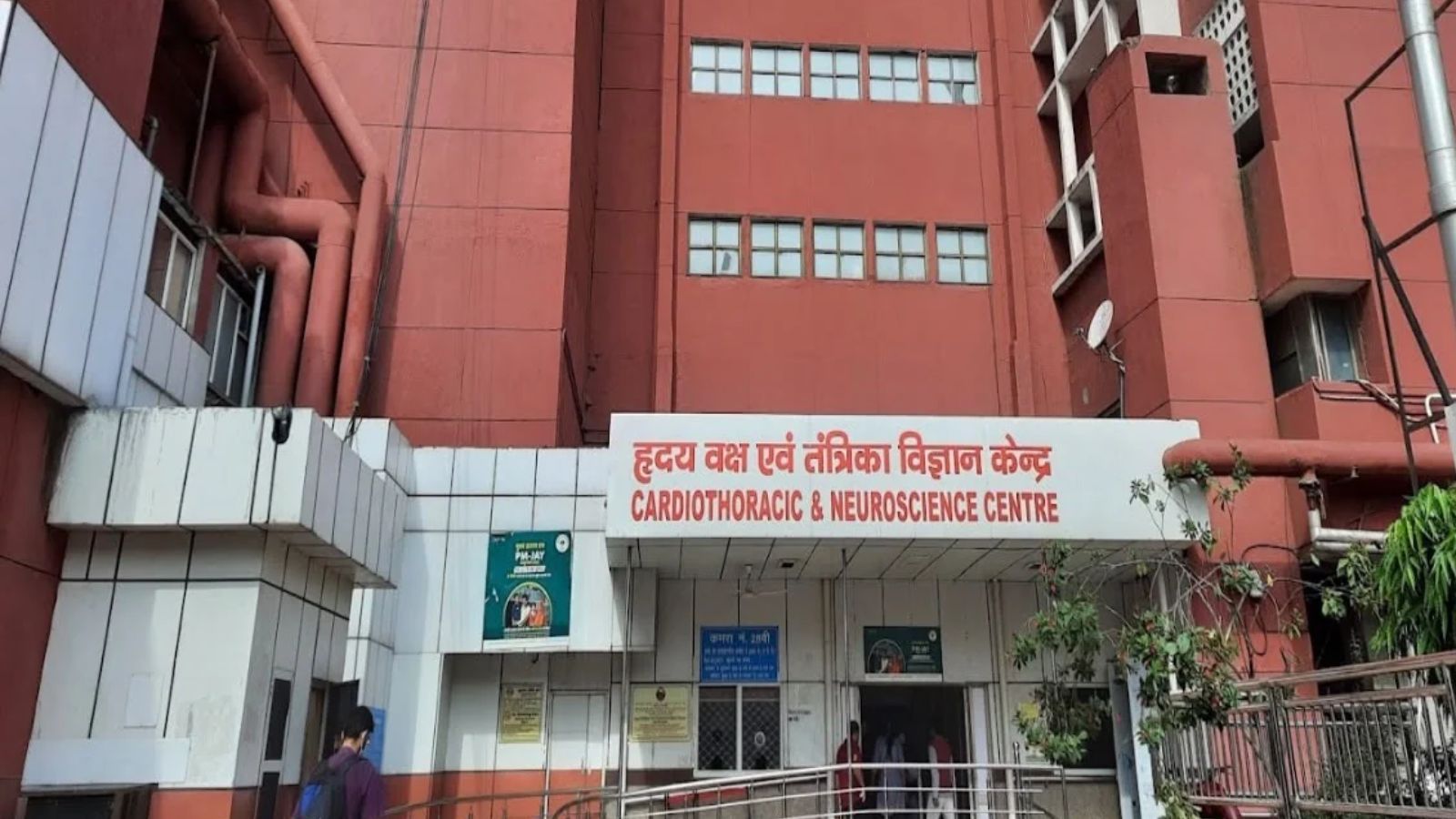
A multidisciplinary team of fetal surgeons, obstetricians, and neurosurgeons at the All India Institute of Medical Sciences (AIIMS), New Delhi, successfully performed India's first successful in-utero open fetal surgery to repair a severe myelomeningocele (spina bifida) in a 24-week-old fetus.
- Surgical Technique: The precision procedure involved performing a mini-hysterotomy on the maternal uterus under deep general anesthesia, micro-surgively mobilizing neural placodes and closing the spinal defect in the developing fetus before returning it to the amniotic cavity.
- Clinical Outcomes: In-utero repair significantly reduces the risk of Chiari II malformation, hindbrain herniation, and hydrocephalus, drastically improving the child's future motor function and ambulation compared to post-natal surgery.
- Ethical & Regulatory Framework: The surgery was reviewed and sanctioned by AIIMS Institutional Ethics Committee under the National Guidelines for Stem Cell Research and Fetal Interventions, balancing maternal surgical risk with fetal therapeutic benefit.
- Technological Milestones: Real-time intraoperative high-resolution fetal echocardiography and continuous maternal-fetal pulse oximetry were deployed throughout the 180-minute procedure.
Bilateral Cross-Border Connectivity: India-Nepal Ramayan Circuit (Ayodhya-Janakpur Rail Link)

Indian Railways and Nepal Railway Company finalized operational protocols to inaugurate a weekly direct passenger express train linking Ayodhya in Uttar Pradesh with Janakpurdham in Nepal, marking a transformative milestone in regional sub-continental connectivity and religious tourism under the Ramayan Circuit.
- Route Geometry: The service will operate over the broad-gauge cross-border railway line via Jaynagar (Bihar) to Kurtha and Bijalpura in Nepal, reducing travel time between the two sacred pilgrimage centres to under 8 hours.
- Neighborhood First Integration: The project, constructed with Indian grant assistance of ₹548 crore, reinforces New Delhi's Neighborhood First policy and counterbalances regional infrastructure initiatives.
- Customs & Immigration Accord: Simplified cross-border immigration procedures allow Indian and Nepalese citizens to travel using government-issued photo identity cards without visa requirements.
- Economic Multiplier: The direct rail corridor is projected to double annual pilgrim transit between Mithila region and Awadh, boosting regional hospitality and MSME handicrafts trade.
Rural Housing & Social Infrastructure: 5 Lakh PMAY-Gramin Sanctions in Odisha
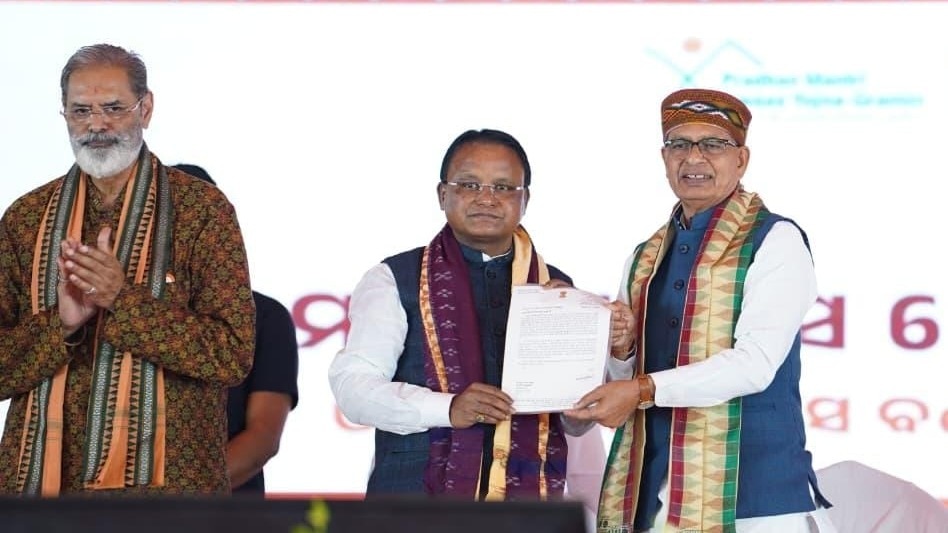
Union Minister for Rural Development Shivraj Singh Chouhan and Odisha Chief Minister Mohan Charan Manjhi ceremonially distributed formal work sanction letters for 5 lakh new pucca houses under the Pradhan Mantri Awaas Yojana - Gramin (PMAY-G) in Bhubaneswar, involving a central-state financial commitment of ₹6,000 crore.
- Unit Assistance: Beneficiary households receive ₹1.20 lakh in plain areas and ₹1.30 lakh in hilly/difficult/IAP districts, transferred directly into Aadhaar-seeded bank accounts across four construction milestones.
- Welfare Convergence: Each house is mandatorily integrated with 90–95 days of unskilled wage labour under MGNREGA (₹27,000), an LPG cylinder connection under PM Ujjwala Yojana, toilet construction under Swachh Bharat Mission-Gramin (₹12,000), and electricity under Saubhagya.
- Geo-Tagging Governance: Construction progress is verified via spatial geo-tagged photographs through the AwaasApp mobile application, achieving 100% real-time transparency and zero ghost beneficiaries.
- National Milestone: The Union Government has approved the construction of an additional 2 crore houses under PMAY-G Phase-2 over the next five years to achieve the target of 'Housing for All'.
Post-Independence Reorganization & Subaltern Movements: Jharkhand 25th Foundation Day

The State of Jharkhand commemorated its 25th Statehood Day (Silver Jubilee) on November 15, marking a quarter-century since its formal creation on November 15, 2000, under the Bihar Reorganisation Act, 2000, co-terminus with the birth anniversary of Bhagwan Birsa Munda.
- Historical Struggle: The demand for a separate Jharkhand state dates back to the 1920s with the formation of the Chota Nagpur Unnati Samaj, later spearheaded by Jaipal Singh Munda's Adivasi Mahasabha and Jharkhand Party in 1949.
- Constitutional Framework: Created under Article 3 of the Constitution, Jharkhand became the 28th state of the Indian Union, fulfilling decades of subaltern tribal aspirations for cultural autonomy and self-governance.
- Mineral Wealth vs Human Development: Holding over 40% of India's mineral reserves (coal, iron ore, copper, uranium, bauxite), Jharkhand faces the classic economic paradox of the 'resource curse', driving contemporary policy focus toward tribal land rights, education, and district mineral foundation (DMF) healthcare outlays.
- Forest Economy: Forest cover accounts for 29.76% of the state's geographic area, where community forest resource rights under the Forest Rights Act (FRA), 2006, play a crucial role in empowering Gram Sabhas.
Coastal Environmental Governance: Blue Flag Beach Norms & Integrated Coastal Zone Management

The recommendation of three new beaches in Tamil Nadu (Silver Beach, Kameswaram, and Ariyaman) for the prestigious international Blue Flag certification brings focus to the legal mechanisms of the Coastal Regulation Zone (CRZ) Notification, 2019, and the Ministry of Environment's Beach Environment & Aesthetics Management Services (BEAMS) program.
- Exemptions for Eco-Infrastructure: The CRZ Notification, 2019, allows enabling construction in the No Development Zone (NDZ) of CRZ-III specifically for Blue Flag beach facilities (toilet blocks, solar panels, water purification plants, bamboo boardwalks) without treating them as permanent commercial construction.
- Water Quality Criteria: Blue Flag certification mandates compliance with 33 stringent standards, including strict microbiological limits on Escherichia coli (<250 cfu/100ml) and Intestinal Enterococci (<100 cfu/100ml) based on regular bi-weekly laboratory sampling.
- Disaster Resilience: Certified beaches integrate disaster-resilient sea-watch safety towers and natural sand dune stabilization using native halophytic vegetation (Ipomoea pes-caprae).
- National Coastal Footprint: India currently has 12 operational Blue Flag certified beaches across Gujarat, Odisha, Karnataka, Kerala, Tamil Nadu, Andhra Pradesh, Goa, Lakshadweep, and Andaman & Nicobar Islands.
Cartographic Heritage & Geodesy: Great Trigonometrical Survey of India & Scientific Foundations

The comprehensive 5-volume publication by the Tamil Nadu Directorate of Survey and TNSDA documenting 19th-century Great Trigonometrical Survey (GTS) stations highlights the profound historical interplay between colonial geodetic science, state revenue cartography, and contemporary satellite georeferencing.
- Geodetic Genesis: Initiated on April 10, 1802, by Colonel William Lambton from St. Thomas Mount in Madras, the GTS measured the Great Meridional Arc from Cape Comorin (Kanyakumari) to the Himalayas over a 70-year campaign continued under Sir George Everest.
- Mathematical Breakthrough: Lambton utilized high-precision giant theodolites (weighing nearly 500 kg) and calibrated steel chains to determine the exact geodetic flattening of the Earth at the poles, validating Isaac Newton's theoretical oblate spheroid model.
- Everest's Legacy: The survey calculated the height of Peak XV in 1856 (29,002 ft / 8,848 m), subsequently naming it Mount Everest in honour of Surveyor General George Everest.
- Modern Geodetic Continuity: Survey of India's modern National Geodetic Network and SVAMITVA drone surveys continue to anchor their horizontal control reference baselines to these historic GTS bench-mark pillars.