
WHO Global Tuberculosis Report 2026: 86% Domestic Financing in India, South-East Asia Burden & Global Financing Gaps

The World Health Organization (WHO) released the Global Tuberculosis Report 2026, revealing that 86% of India's anti-TB spending in 2025 was financed from domestic sources, reflecting strong national ownership. However, the report raised serious concerns over a 14% contraction in international donor assistance and highlighted that the WHO South-East Asia Region continues to bear the world's heaviest TB burden, accounting for 35% of all global incidence.
Prelims Core Triggers
- Publishing Agency: Released annually by the World Health Organization (WHO) to track progress towards the End TB Strategy and UN Sustainable Development Goal (SDG) Target 3.3.
- Domestic Spending Dominance: India, alongside Brazil, China, Russia, and South Africa (BRICS), accounted for $3.7 billion (65%) of total domestic anti-TB spending across low- and middle-income countries (LMICs).
- Global Resource Deficit: Annual global expenditure on TB prevention and care stands at under $6 billion, falling dramatically short of the $22 billion annual target mandated at the 2023 UN High-Level Meeting.
- Regional Concentration: Over 80% of global TB cases and deaths occur in LMICs, with WHO South-East Asia accounting for 35% of global burden, followed by the African Region (23%).
- Microbiological Fact: Tuberculosis is caused by Mycobacterium tuberculosis, primarily attacking lungs (pulmonary) but capable of affecting other organs (extrapulmonary); transmitted via airborne droplet nuclei.
Mains Analytical Dimensions (PESTLE)
- Epidemiological Challenge: Despite domestic budgetary expansion (Ni-kshay Poshan Yojana, molecular diagnostics rollout), persistent nutrition deficits and delayed health-seeking behavior sustain transmission in high-density urban clusters.
- International Donor Fatigue: International donor funding shrank by 14% (from $1.1 billion in 2024 to $0.94 billion in 2025), crippling multi-drug resistant (MDR-TB) surveillance in resource-limited nations.
- R&D Underfunding: TB research and innovation funding reached only $1.2 billion against the global annual benchmark of $5 billion, stalling trials for novel pan-TB drug regimens and next-generation adult vaccines.
- Strategic Recommendation (WHO / National Strategic Plan): Accelerate decentralized molecular testing (CBNAAT/Truenat) at primary health centers, enhance direct benefit transfer for nutritional support, and expand regional manufacturing of point-of-care diagnostics.
Institutional Reforms in the Higher Judiciary: Evaluating the 229th Law Commission Report on Splitting the Supreme Court & Establishing Regional Benches

Renewed legal and constitutional discourse highlighted the imperative of reforming India's apex judiciary to resolve severe docket congestion. Drawing upon the recommendations of the 229th Law Commission Report, jurists examined the proposal to bifurcate the Supreme Court into a dedicated Constitution Bench in New Delhi and four Regional Courts of Appeal across the country to democratize access to justice and streamline special leave petitions under Article 136.
Prelims Core Triggers
- Constitutional Seat of Supreme Court: Article 130 of the Constitution provides that the Supreme Court shall sit in Delhi or in such other place or places as the Chief Justice of India may, with the approval of the President, from time to time, appoint.
- 229th Law Commission Report (2009): Recommended establishing a Constitution Bench of about 11 judges in Delhi to hear solely constitutional and national importance cases, while setting up four Regional Courts of Appeal (Northern, Southern, Eastern, Western) for statutory appeals.
- Article 136 Discretionary Jurisdiction: Special Leave Petitions (SLPs) account for nearly 85% of the Supreme Court's admission docket, transforming an apex constitutional court into an ordinary court of regular appeal.
- Global Comparative Jurisprudence: The US Supreme Court decides fewer than 80 constitutional cases annually atop 13 Federal Courts of Appeals; Germany operates a Federal Constitutional Court in Karlsruhe; South Africa separates its Constitutional Court from its Supreme Court of Appeal.
Mains Analytical Dimensions (PESTLE)
- Crisis of Constitutional Adjudication: The overwhelming burden of routine civil, criminal, and service appeals diverts scarce judicial hours away from interpreting vital constitutional questions and fundamental rights controversies.
- Geographic & Economic Exclusion: Litigants residing in southern, north-eastern, and western states face disproportionate financial and physical barriers to access legal representation in New Delhi, undermining Article 39A (Equal Justice and Free Legal Aid).
- Structural Institutional Integrity: Opponents argue that establishing regional appellate benches could dilute the unified authority of the Supreme Court, create conflicting judicial precedents across regional courts, and increase administrative overheads.
- Way Forward: Implement a calibrated filtration mechanism under Article 136 to admit only substantial questions of law, utilize Article 130 without requiring constitutional amendments, and leverage National Judicial Data Grid (NJDG) analytics to triage commercial and criminal disputes.
Ministry of Earth Sciences Deep Ocean Mission: Samudrayaan Project & Matsya-6000 Submersible Harbor Trials in Early 2027

The Ministry of Earth Sciences (MoES) announced that harbor and shallow-water trials for the indigenously developed manned submersible 'Matsya-6000' will commence in early 2027. Under the flagship Samudrayaan project of the Deep Ocean Mission, the National Institute of Ocean Technology (NIOT), Chennai, has partnered with ISRO to engineer an advanced 2.1-metre diameter titanium alloy personnel sphere capable of withstanding extreme hydrostatic pressures at 6,000 metres ocean depth.
Prelims Core Triggers
- Nodal Ministry & Agency: Executed by the National Institute of Ocean Technology (NIOT), Chennai, under the Ministry of Earth Sciences (MoES).
- Submersible Specifications: 'Matsya-6000' is designed to carry a crew of 3 humans to a depth of 6,000 metres with normal operational endurance of 12 hours and emergency life-support capacity of up to 96 hours.
- Technological Feat: ISRO assisted in constructing the 2.1-metre diameter titanium alloy (Ti-6Al-4V) pressure hull, capable of withstanding crushing hydrostatic pressures of 600 bar (600 times atmospheric pressure).
- Elite League: Successful deployment will place India alongside the US, Russia, France, Japan, and China as nations possessing manned deep-submergence capabilities below 5,000 metres.
- Economic Scope: Explores polymetallic nodules (manganese, nickel, copper, cobalt) and hydrothermal sulfide deposits in the Central Indian Ocean Basin (CIOB) under International Seabed Authority (ISA) exploration contracts.
Mains Analytical Dimensions (PESTLE)
- Strategic Blue Economy Drivers: Manned exploration unlocks critical mineral self-reliance vital for clean-energy storage, high-performance alloys, and electric mobility supply chains.
- Technological Synergies with Space: Life-support systems, closed-loop oxygen regeneration, and advanced telemetry developed for Gaganyaan directly cross-fertilize deep-ocean submersible engineering.
- Environmental Safeguards: Deep-sea benthic mining presents grave risks to fragile abyssal ecosystems, hydrothermal vent extremophiles, and marine carbon sequestration cycles.
- Policy Imperative: India must actively shape the ISA's international exploitation code, incorporating stringent environmental impact assessments (EIAs) while safeguarding exploration rights in the Indian Ocean.
Shanghai Cooperation Organisation (SCO) Civilisational Dialogue Forum in New Delhi: Cultural Diplomacy & Heritage Linkages

India hosted the inaugural Civilisational Dialogue Forum of the 10-member Shanghai Cooperation Organisation (SCO) in New Delhi from November 20 to 22, 2026. Championed under Prime Minister Narendra Modi's vision to transcend conventional geopolitical friction through civilisational synergy, the forum convened delegates from Central Asian and Eurasian nations to deepen institutional cooperation across art, architectural preservation, manuscript digitization, and ancient linguistic exchanges.
Prelims Core Triggers
- Initiative Origin: First proposed by India to utilize shared civilisational, cultural, and spiritual heritage (such as Buddhist circuits and Silk Road history) as a trust-building multilateral mechanism.
- Participating Membership: The SCO currently comprises 10 member states: India, China, Russia, Kazakhstan, Kyrgyzstan, Tajikistan, Uzbekistan, Pakistan, Iran, and Belarus (inducted in 2024).
- Core Thematic Pillars: Civilisational and cultural expression, architectural restoration, preservation of ancient manuscripts, and shared literary heritage.
- Secretariat & Regional Body: SCO is headquartered in Beijing, China; its Regional Anti-Terrorist Structure (RATS) is based in Tashkent, Uzbekistan.
Mains Analytical Dimensions (PESTLE)
- Soft Power & Track 1.5 Diplomacy: Cultural diplomacy offers an effective channel to sustain dialogue among Eurasian powers amidst sharp geopolitical divides and regional security friction.
- Revitalizing Historical Eurasian Conduits: Bolsters India's 'Connect Central Asia' policy by revitalizing historical trade, scholarly, and artistic conduits dating back to the Kushana and Mauryan epochs.
- Geopolitical Challenges: Counterbalancing Sino-Russian dominance in Eurasian multilateral forums requires India to offer alternative institutional platforms rooted in shared democratic and cultural values.
- Strategic Way Forward: Institutionalize joint archaeological expeditions, establish a unified digital repository of Central Asian manuscripts, and ease cultural visa regimes for scholars across SCO nations.
October 2026 CPI Headline Retail Inflation Surpasses RBI 6% Ceiling: Drivers, Food Price Pressures & Monetary Policy Constraints
India's headline Consumer Price Index (CPI) inflation breached the Reserve Bank of India's 6% upper tolerance limit for the first time in two years, reaching 6.09% in October 2026. Driven by an abrupt spike in food prices (8.5% under CPI and 8.94% under the Consumer Food Price Index), the inflationary surge spread across 10 of 12 major categories, constraining the Monetary Policy Committee's leeway for imminent repo rate reductions.
Prelims Core Triggers
- Inflation Targeting Mandate: Under Section 45ZA of the RBI Act, 1934, the Central Government, in consultation with RBI, sets a CPI inflation target of 4% with a tolerance band of +/- 2% (2% to 6%).
- Reporting Failure Criteria: If average headline inflation falls outside the 2%–6% corridor for three consecutive quarters, the RBI is statutorily mandated to submit a formal explanatory report to the Union Government outlining failure causes and remedial timelines.
- Weightage Distribution: In the current CPI (Combined) series (Base Year 2012=100), Food and Beverages carry the largest weight at 45.86% (Consumer Food Price Index carries ~39.06%).
- Institutional Compiler: Compiled and released on the 12th of every month by the National Statistical Office (NSO), Ministry of Statistics and Programme Implementation (MoSPI).
- State-Level Asymmetry: Tamil Nadu recorded the highest retail inflation among major states at 7.29%, driven by supply disruptions and high perishables transport logistics.
Mains Analytical Dimensions (PESTLE)
- Supply-Side Shocks vs Monetary Instruments: Headline spikes driven by vegetable and edible oil shortages expose the limitation of interest-rate tools in taming supply-driven food inflation.
- Household Consumption Squeeze: Persistent inflation across essential services (education, healthcare, restaurant dining) erodes real rural and semi-urban disposable incomes, dampening private consumption expenditure.
- Fiscal-Monetary Synchronization: Achieving price stability demands synchronized administrative measures: releasing buffer stocks via Open Market Sale Schemes (OMSS), rationalizing import tariffs on pulses and edible oils, and expanding refrigerated cold-chain networks.
- MPC Dilemma: Cutting repo rates risks unanchoring medium-term inflation expectations, while keeping rates restrictive dampens private corporate capital expenditure.
Directorate of Revenue Intelligence Red Sanders Seizure at Chennai Port: Conservation Governance, CITES & Wildlife Protection Act Enforcement
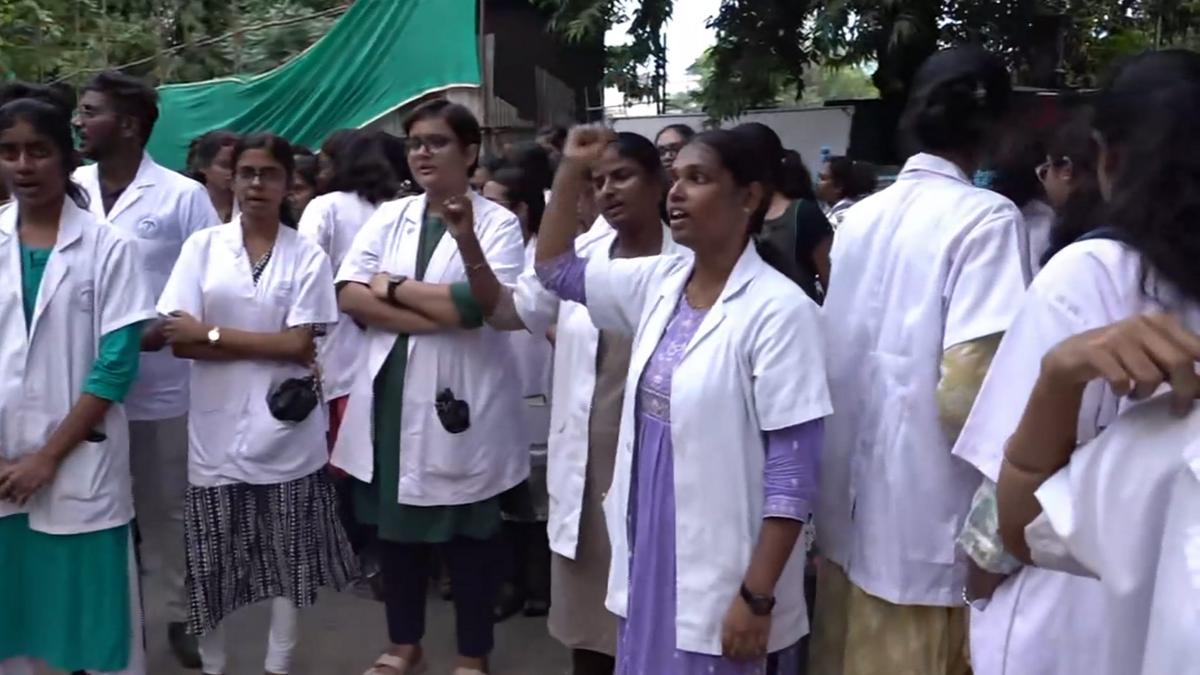
Officers of the Directorate of Revenue Intelligence (DRI) intercepted an export consignment at Chennai Port, seizing 12.87 tonnes of premium red sanders logs valued at ₹7.72 crore falsely declared as paper laminates. The interdiction underscores the persistent clandestine demand for Pterocarpus santalinus in East Asian luxury furniture and cosmetics markets and highlights the enforcement challenges under CITES and domestic forest laws.
Prelims Core Triggers
- Botanical Profile: Red Sanders (Pterocarpus santalinus) is a non-aromatic, high-density timber species renowned for its rich red hue and therapeutic santalin extract.
- Endemic Geography: Endemic to a distinct ecological niche in the southern Eastern Ghats of Andhra Pradesh, predominantly across the Seshachalam, Veligonda, and Palakonda hill tracts.
- Conservation Status: Classified as 'Endangered' on the IUCN Red List and listed under Appendix II of CITES (Convention on International Trade in Endangered Species of Wild Fauna and Flora).
- Domestic Legal Framework: Protected under Schedule IV of the Wildlife (Protection) Act, 1972 (as amended in 2022); commercial export of wild-harvested logs is strictly prohibited under India's Foreign Trade Policy.
Mains Analytical Dimensions (PESTLE)
- Organized Transnational Wildlife Crime: High profit margins in East Asian black markets drive sophisticated contraband routing using fraudulent freight documentation and shell export entities.
- Ecological Threat: Selective felling of mature red sanders trees degrades Eastern Ghats biodiversity, depleting native gene pools and disrupting sensitive scrub-forest ecosystems.
- Technological Interdiction: Deploying DNA barcoding, wood anatomy profiling, and satellite-based forest canopy monitoring can enhance traceability from stump to port.
- Governance Strategy: Harmonize inter-state forest intelligence sharing between Andhra Pradesh, Tamil Nadu, and central agencies (DRI, WCCB) while promoting sustainable farm forestry on non-forest lands.
Gauhati High Court Landmark Ruling: Evidentiary Value of PAN & Voter Identity Cards Under Foreigners Act, 1946 & Articles 5–9
The Gauhati High Court reaffirmed that identity documents including PAN cards and Electoral Photo Identity Cards (EPIC) do not constitute conclusive proof of Indian citizenship. Upholding a Foreigners Tribunal order, the court clarified that statutory identity instruments merely establish tax enrollment or voter registration and cannot substitute for authenticated legacy lineage establishing constitutional citizenship under Articles 5 to 9.
Prelims Core Triggers
- Reversal of Burden of Proof: Section 9 of the Foreigners Act, 1946, statutorily shifts the entire burden of proving whether a person is an Indian citizen onto the proceedee, overriding the standard criminal burden on the prosecution.
- Foreigners Tribunals Order, 1964: Quasi-judicial tribunals uniquely established in Assam under the Foreigners (Tribunals) Order, 1964, to adjudicate whether an individual is a foreigner within the meaning of the 1946 Act.
- Constitutional Framework of Citizenship: Governed by Articles 5 through 11 in Part II of the Constitution and regulated by the Citizenship Act, 1955.
- Evidentiary Distinction: Administrative identity tokens (PAN for direct taxation, EPIC for franchise exercise) certify procedural eligibility but do not substantiate lawful citizenship by birth or descent.
Mains Analytical Dimensions (PESTLE)
- Complex Legal Epistemology of Citizenship: Reconciling stringent documentary lineage requirements with widespread rural illiteracy, document loss during natural disasters, and informal birth registration poses humanitarian and legal hurdles.
- Quasi-Judicial Scrutiny: The functioning of Foreigners Tribunals in Assam has faced scrutiny regarding institutional independence, procedural fairness, and differing evidentiary standards applied to certified electoral rolls.
- Constitutional Safeguards: While sovereign states retain inherent rights to determine citizenship, due process protections under Article 21 apply to all persons, citizen or non-citizen.
- Systemic Way Forward: Modernize digital civil registration systems (CRVS), provide structured legal aid via District Legal Services Authorities (DLSA), and establish clear appellate standards for citizenship adjudications.
Critical Information Infrastructure & Cyber Resilience: Mitigating Single-Point-of-Failure Risks in the Wake of Global Cloud Outages

A global outage affecting multiple Microsoft cloud services disrupted internal communications, airline dispatch software, and customer-facing operations across Indian enterprises. The incident brought renewed focus to the vulnerabilities of hyper-concentrated cloud hosting architectures and the urgent necessity of stress-testing Critical Information Infrastructure (CII) under National Critical Information Infrastructure Protection Centre (NCIIPC) guidelines.
Prelims Core Triggers
- Statutory Definition of CII: Section 70 of the Information Technology (IT) Act, 2000, defines CII as any computer resource whose incapacitation or destruction would have a debilitating impact on national security, economy, public health, or safety.
- Nodal Protective Agency: The National Critical Information Infrastructure Protection Centre (NCIIPC), created in 2014 under Section 70A of the IT Act, serves as the designated national agency for CII protection.
- Operational Incident Response: The Indian Computer Emergency Response Team (CERT-In), established under Section 70B of the IT Act, handles cyber incident response, alerts, and forensics across all public and private networks.
- Systemic Vulnerability: Cloud hyperscaler concentration creates systemic supply-chain single points of failure (SPOFs) that bypass traditional perimeter cybersecurity.
Mains Analytical Dimensions (PESTLE)
- Economic Impact of Digital Fragility: Modern financial settlements, civil aviation logistics, and emergency dispatch services depend completely on external software-as-a-service (SaaS) and platform architectures.
- Sovereignty vs Interoperability: Balancing multi-cloud redundancy strategies against vendor lock-in and localized cloud infrastructure mandates.
- Regulatory Enforcement: CERT-In's mandatory 6-hour incident reporting directive faces compliance friction among global tech platforms operating hybrid cloud models.
- Policy Imperative: Mandate real-time failover drills, promote domestic open-source enterprise tools, and enforce strict geographical disaster-recovery redundancy across essential service providers.
NITI Aayog Releases Impact Assessment of PLI Schemes: 58% Capex Target Achieved Across 14 Sectors
NITI Aayog released a detailed impact assessment report on the Production Linked Incentive (PLI) scheme across 14 notified sectors. The report highlighted that the schemes have achieved 58% of their capex targets, creating over 7 lakh direct and indirect jobs while transforming India into a net exporter of electronics and telecommunication equipment.
Prelims Core Triggers (GS 3: Economy & Manufacturing)
- Capex Trajectory: Investments across the 14 operational PLI sectors touched ₹1.25 lakh crore, crossing 58% of total projected capital expenditure commitments.
- Sectoral Standouts: Large-scale electronics manufacturing, bulk drugs, medical devices, and telecom hardware led incentive disbursements and domestic value addition.
- Export Surge: Beneficiary firms reported a compound annual export growth of over 30%, drastically cutting import reliance on advanced electronic circuit boards and assembly.
Mains Analytical Dimensions (PESTLE)
- Employment Metrics: The scheme generated over 7,00,000 direct and indirect employment opportunities, notably uplifting female participation in automated electronics assembly lines.
- Scheme Inception: Formulated in 2020 under the Atmanirbhar Bharat initiative, PLI offers 4% to 6% financial incentives on incremental sales over base years.
- Institutional Oversight: The Empowered Group of Secretaries (EGoS), chaired by the Cabinet Secretary, administers reviews across line ministries with DPIIT as coordinator.
NPCI Unveils 'UPI Vyapaar Saksham Scheme' to Deepen Digital Payment Acceptance Among Small Merchants
The National Payments Corporation of India (NPCI) launched the 'UPI Vyapaar Saksham Scheme' to expand Unified Payments Interface acceptance infrastructure among micro, small, and street merchants. Operational for three years from merchant discount rate implementation, the scheme provides financial incentives and terminal subsidies to payment aggregators for onboarding informal retail traders.
Prelims Core Triggers (GS 2: Governance & Financial Inclusion)
- Target Beneficiaries: Focuses exclusively on tier-3 to tier-6 towns and rural semi-formal micro-enterprises with low digital transaction volumes.
- Incentive Architecture: Offers tiered transaction-based subsidies and zero-cost QR and soundbox deployment support via acquirer banks and fintech payment aggregators.
- Operational Window: The scheme will remain operational for a duration of 3 years following the implementation of Merchant Discount Rate (MDR) restructuring.
Mains Analytical Dimensions (PESTLE)
- Financial Inclusion Boost: Designed to formalize daily working capital credit records for micro-traders, enhancing their eligibility for PM SVANidhi and Mudra loans.
- About NPCI: Established in 2008 under the Payment and Settlement Systems Act, 2007, NPCI is an umbrella organization founded by RBI and IBA as a 'Not for Profit' entity under Section 8 of the Companies Act.
- UPI Milestones: UPI, developed by NPCI in 2016, now processes over 15 billion transactions monthly, accounting for nearly 80% of India's retail digital payments.
Access Equality Index 2026: Goa Secures Top Rank; Andhra Pradesh Leads Socio-Economic Security
The Centre for New Economics Studies at O.P. Jindal Global University released the Access Equality Index 2026 evaluating public service delivery across 28 Indian states. Goa secured the overall first rank with a score of 0.68, followed by Andhra Pradesh at 0.66, which led the nation in the socio-economic security pillar.
Prelims Core Triggers (GS 2: Social Justice & Regional Disparities)
- Top Performers: Goa achieved rank 1 (0.68), Andhra Pradesh rank 2 (0.66), and Sikkim rank 3 (0.63) in equitable access to public infrastructure.
- Socio-Economic Security Leader: Andhra Pradesh ranked first nationally in the socio-economic security pillar with an index score of 0.69, outperforming its income-predicted score significantly.
- Five Fundamental Pillars: Evaluated basic amenities, healthcare, education, socio-economic security, and legal/civic infrastructure across 28 states.
Mains Analytical Dimensions (PESTLE)
- Bottom Tiers: States with substantial developmental backlogs included Bihar, Jharkhand, and Uttar Pradesh, reflecting persistent regional inequality in public service delivery.
- Conceptual Framework: Access equality measures the extent to which geographic and socio-economic identity barriers determine citizen access to basic constitutional rights and amenities.
- Inter-state Disparity: Highlights the divergence between economic growth (GSDP) and social infrastructure efficiency across southern vs northern states.
Fatal Collision Near Kaziranga National Park Highlights Urgent Wildlife Corridor Road Safety Measures

A tragic head-on collision between a speeding minibus and a container truck near Kaziranga National Park in Assam resulted in the death of six passengers, including college students. The disaster underscored the urgent implementation of elevated wildlife viaducts and automated speed regulation along National Highway 715 traversing sensitive ecological corridors.
Prelims Core Triggers (GS 3: Environment & Eco-Sensitive Corridors)
- Incident Context: Occurred on NH-715 adjacent to the core buffer boundary of Kaziranga National Park between Golaghat and Nagaon districts.
- Relief Action: Prime Minister Narendra Modi announced an ex-gratia of ₹2 lakh to kin of deceased from PMNRF; Assam government constituted a high-level transport safety inquiry.
- Ecological Conflict: NH-715 bisects nine critical animal corridors used by one-horned rhinos, Asian elephants, and tigers to migrate to Karbi Anglong hills during Brahmaputra floods.
Mains Analytical Dimensions (PESTLE)
- Mitigation Project: Union Ministry of Road Transport and Highways (MoRTH) has sanctioned a 35-km elevated wildlife corridor to ensure zero animal mortality and vehicle collisions.
- About Kaziranga: Declared a UNESCO World Heritage Site in 1985 and a Tiger Reserve in 2006, Kaziranga harbors two-thirds of the world's great one-horned rhinoceroses.
- Karbi Anglong Corridors: Safe migration corridors are vital for species survival during annual monsoon inundations when 70% to 90% of the park submerges.
Social Justice: Supreme Court Upholds Nationwide Portability Under One Nation One Ration Card (ONORC) for Migrant Workers

The Supreme Court affirms that national food portability under ONORC is an enforceable fundamental entitlement under Article 21, mandating failsafe biometric and proxy delivery.
Prelims Core Triggers (GS 2: Social Welfare & Food Security)
- Supreme Court Ruling: The Supreme Court of India reaffirmed that national foodgrain portability under the One Nation One Ration Card (ONORC) plan is an enforceable fundamental entitlement under Article 21 (Right to Food), directing all States to ensure unhindered food grain distribution to migrant workers.
- Technological Architecture: ONORC leverages Aadhaar-seeded biometric authentication via electronic Point of Sale (e-PoS) devices at Fair Price Shops (FPS) connected to the central Integrated Management of Public Distribution System (IM-PDS) portal.
Mains Analytical Dimensions (PESTLE)
- Inter-State & Intra-State Portability: The platform empowers migrant laborers to lift their entitled subsidized or free foodgrains under the National Food Security Act, 2013 (NFSA) and Pradhan Mantri Garib Kalyan Anna Yojana (PMGKAY) from any ration shop across the country.
- Inclusive Safeguards: The apex court mandated that biometric authentication failures due to fingerprint attrition or poor connectivity must not result in ration denial, directing states to implement OTP-based verification and manual proxy exceptions.
Sustainable Agriculture: ICAR Launches Nationwide 'Khet Bachao Abhiyan' to Restore Soil Biological Health and Promote Microbial Biofertilizers

ICAR kicks off the nationwide 'Khet Bachao Abhiyan' moving beyond chemical NPK assays to map soil organic carbon, microbial enzymes, and in-situ stubble biodegradation.
Prelims Core Triggers (GS 3: Agriculture & Soil Health)
- Regenerative Agriculture Drive: The Indian Council of Agricultural Research (ICAR) launched the 'Khet Bachao Abhiyan' (Save the Field Campaign), a nationwide initiative focused on reversing chemical degradation and restoring biological soil organic carbon.
- Biological Health Cards: Transitioning beyond chemical NPK soil testing, the mission introduces microbial biomass and enzymatic health mapping, testing soils for active mycorrhiza, earthworm activity, and carbon-to-nitrogen (C:N) ratios.
Mains Analytical Dimensions (PESTLE)
- Crop Residue Management: The campaign actively discourages stubble burning by promoting in-situ residue bio-decomposers (such as the Pusa Bio-Decomposer) and promoting leguminous intercropping to fix atmospheric nitrogen naturally.
- Climate Resilience: By restoring degraded topsoils, the programme enhances soil water retention capacity, mitigating flood run-off and shielding crops from extreme heatwaves during the crucial rabi reproductive phase.
Bilateral Diplomacy: Atal Innovation Mission Launches India–Sri Lanka Innovation Forum in Colombo to Propel Cross-Border Tech Startups

AIM and Sri Lanka's ICTA establish the India–Sri Lanka Innovation Forum in Colombo, twinning incubators and accelerating bilateral investments in Agritech and Fintech.
Prelims Core Triggers (GS 2: International Relations & Neighborhood First)
- Cross-Border Innovation: Atal Innovation Mission (AIM), NITI Aayog, partnered with Sri Lanka's Ministry of Technology and the Information and Communication Technology Agency (ICTA) to inaugurate the India–Sri Lanka Innovation Forum in Colombo.
- Incubator Twinning: The initiative establishes direct twinning agreements between Indian Atal Incubation Centres (AICs) and Sri Lankan university incubators, enabling cross-border mentorship, regulatory soft-landing, and access to seed capital.
Mains Analytical Dimensions (PESTLE)
- Focus Sectors: Bilateral collaboration focuses on deep-tech domains including Agritech, fintech interoperability, climate-smart technologies, and digital governance architectures.
- Strategic Vision: The forum reinforces India's 'Neighbourhood First' policy by establishing a shared technological ecosystem that fosters youth entrepreneurship and digital public infrastructure integration.
Surging Demand for BrahMos Supersonic Cruise Missiles Across Southeast Asian Littorals

Defense authorities announced that multiple Southeast Asian nations, including Vietnam and Indonesia, have accelerated negotiations to procure the Indo-Russian BrahMos supersonic cruise missile. Building on the successful deployment of the $375-million shore-based anti-ship system to the Philippines, this export pipeline solidifies India's role as a major defense manufacturing exporter.
Prelims Core Triggers (GS 3: Defence Technology & Strategic Deterrence)
- Export Momentum: Following the landmark 2022 deal with the Philippines Marine Corps, Southeast Asian nations seek coastal defense and ship-mounted variants of the missile.
- Technical Capabilities: BrahMos travels at Mach 2.8 to 3.0 (nearly thrice the speed of sound) with a 'fire-and-forget' operating principle and an operational strike range of 290 km to 450 km.
- Testing Innovations: Defense scientists highlighted advanced non-destructive testing (NDT) protocols that inspect solid rocket boosters and ramjet engines without structural dismantling.
Mains Analytical Dimensions (PESTLE)
- Strategic Significance: Catapults India toward its target of ₹50,000 crore in annual defense exports by 2028-29, enhancing security partnerships across the Indo-Pacific.
- Joint Venture Origin: Developed by BrahMos Aerospace, a joint venture established in 1998 between India's DRDO (50.5%) and Russia's NPO Mashinostroyeniya (49.5%).
- Name Etymology: The acronym 'BrahMos' blends the names of two iconic rivers: India's Brahmaputra and Russia's Moskva.
Clean Energy: Union Government Operationalizes Viability Gap Funding for 4,000 MWh Grid-Scale Battery Energy Storage Systems

The Ministry of Power outlines operational guidelines for the 4,000 MWh Battery Energy Storage Systems (BESS) scheme backed by up to 40% Viability Gap Funding to ensure round-the-clock renewable integration.
Prelims Core Triggers (GS 3: Energy Transition & Infrastructure)
- Targeted Scheme Outlay: The Union Ministry of Power released revised bidding and operational benchmarks for the scheme providing Viability Gap Funding (VGF) for the development of 4,000 MWh of Grid-Scale Battery Energy Storage Systems (BESS).
- Financial Support Mechanism: The government provides budgetary VGF support of up to 40% of the capital cost, significantly de-risking private sector investment and bringing levelized storage costs down to accessible tariffs for state distribution companies (DISCOMs).
Mains Analytical Dimensions (PESTLE)
- Grid Balancing Mandate: As India targets 500 GW of non-fossil installed capacity by 2030, large-scale battery storage is critical to manage solar duck curves, provide frequency response, and store peak solar and wind power for evening peak demand hours.
- Supply Chain and Tech Neutrality: The framework encourages diverse chemistries, including Lithium-ion, Sodium-ion, and advanced flow batteries, mandating that at least 85% of storage capacity be allocated to public DISCOMs.
Prime Minister Inaugurates India's First LED Dome Planetarium 'COSMOS-Mysuru' in Karnataka

Prime Minister Narendra Modi inaugurated 'COSMOS–Mysuru Planetarium' in Mysuru, Karnataka, celebrated as India's first LED dome planetarium. Developed collaboratively by the Indian Institute of Astrophysics (IIA) and the University of Mysore, the high-resolution planetarium offers immersive astronomical projections and science popularization for youth.
Prelims Core Triggers (GS 3: Science & Astronomy Outreach)
- Technological First: Distinguishes itself as India's first full-dome planetarium utilizing high-contrast, energy-efficient active LED panels rather than conventional opto-mechanical or optical bulb projectors.
- Collaborative Execution: Jointly realized by the Indian Institute of Astrophysics (Bengaluru) and the University of Mysore, established under Maharaja Nalwadi Krishnaraja Wadiyar.
- Astronomical Heritage: The dedication commemorated ancient Indian astronomers including Aryabhata, Varahamihira, Bhaskaracharya, and Nilakantha Somayaji.
Mains Analytical Dimensions (PESTLE)
- Space Integration: Visualizes real-time telemetry from ISRO's landmark missions including Chandrayaan-3 Moon South Pole landing, Aditya-L1 solar observatory, and orbital space docking modules.
- Indian Institute of Astrophysics (IIA): An autonomous research institute under the Department of Science and Technology (DST), operating major observatories including the Indian Astronomical Observatory at Hanle, Ladakh.
- Space Docking: India demonstrated space docking and undocking capability, becoming only the fourth nation globally to achieve this milestone.