
Key Facts
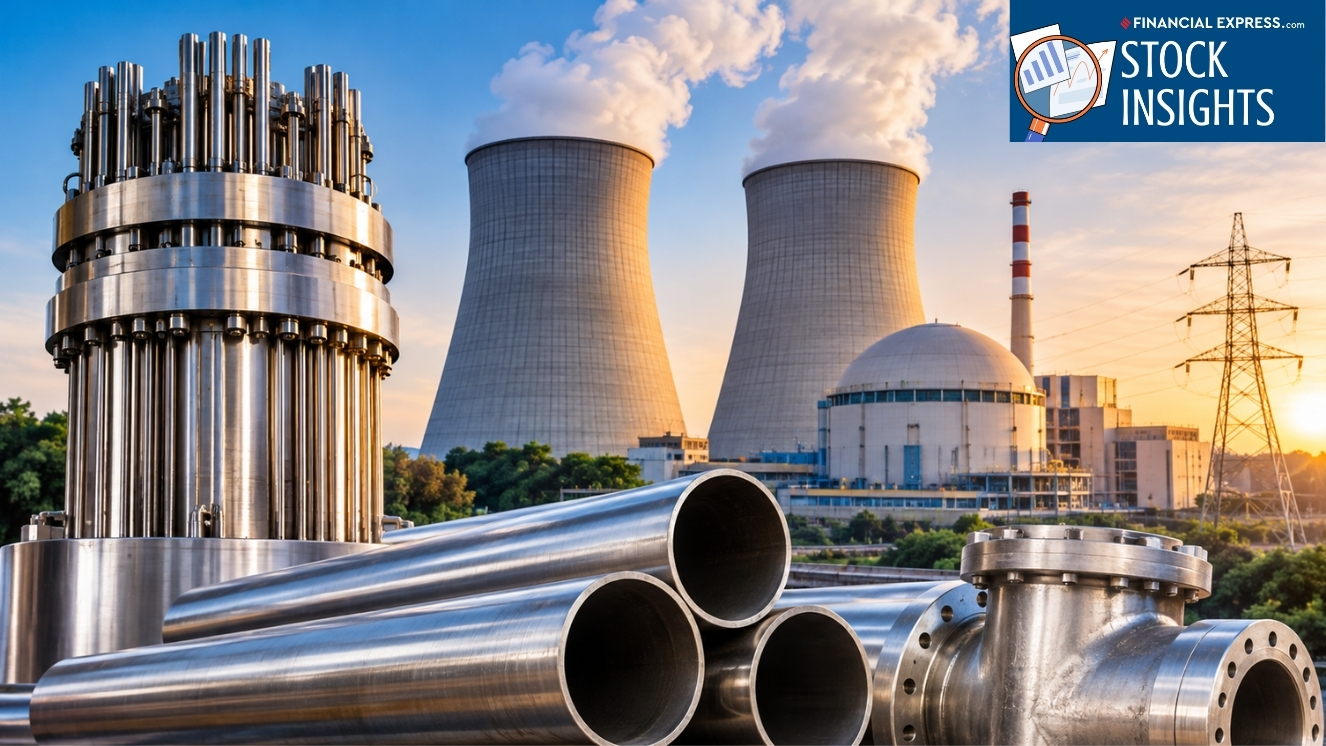
The COP31 Presidency's goal of raising electricity to 35% of the world's final energy demand by 2035 ('35 by 35') touches everyday life in India, where electricity made up about 23% of final energy consumption last year (about 19% when firewood and crop residue are included). Nuclear supplied just 3% of India's electricity, but even with projects under construction, nuclear capacity is set to reach about 22.4 GW by 2034, as the Centre targets 100 GW by 2047. The SHANTI Act of 2025 now allows private companies to build, own, operate and decommission nuclear plants under central licensing, with NTPC planning around 30 GW across at least 14 states and the Adani Group announcing plans for up to 10 GW by 2035. While solar, wind, storage and efficiency will drive most of the 2035 electrification target, nuclear is positioned as India's main option for firm, zero-carbon, round-the-clock power beyond 2035, since battery storage (9.3 GWh installed by mid-2026, against a requirement of about 35 GWh by 2026-27) is better suited to shifting solar power by a few hours than to carrying the grid through cloudy weeks or winter evenings.
GK Context
'Firm power' refers to electricity generation that can be reliably dispatched on demand regardless of weather, unlike intermittent renewables (solar, wind) whose output varies with sunlight and wind speed. Small Modular Reactors (SMRs), referenced as 'Bharat Small Reactors' in India's context, are compact nuclear reactors suited to captive industrial power supply (e.g., for steel, cement plants or data centres) with lower upfront capital requirements than large conventional reactors. The SHANTI Act (2025) marks a significant policy shift by opening India's nuclear sector, traditionally a government monopoly under the Atomic Energy Act, 1962, to private participation under regulatory licensing.
Comments
Loading comments…