
Key Facts
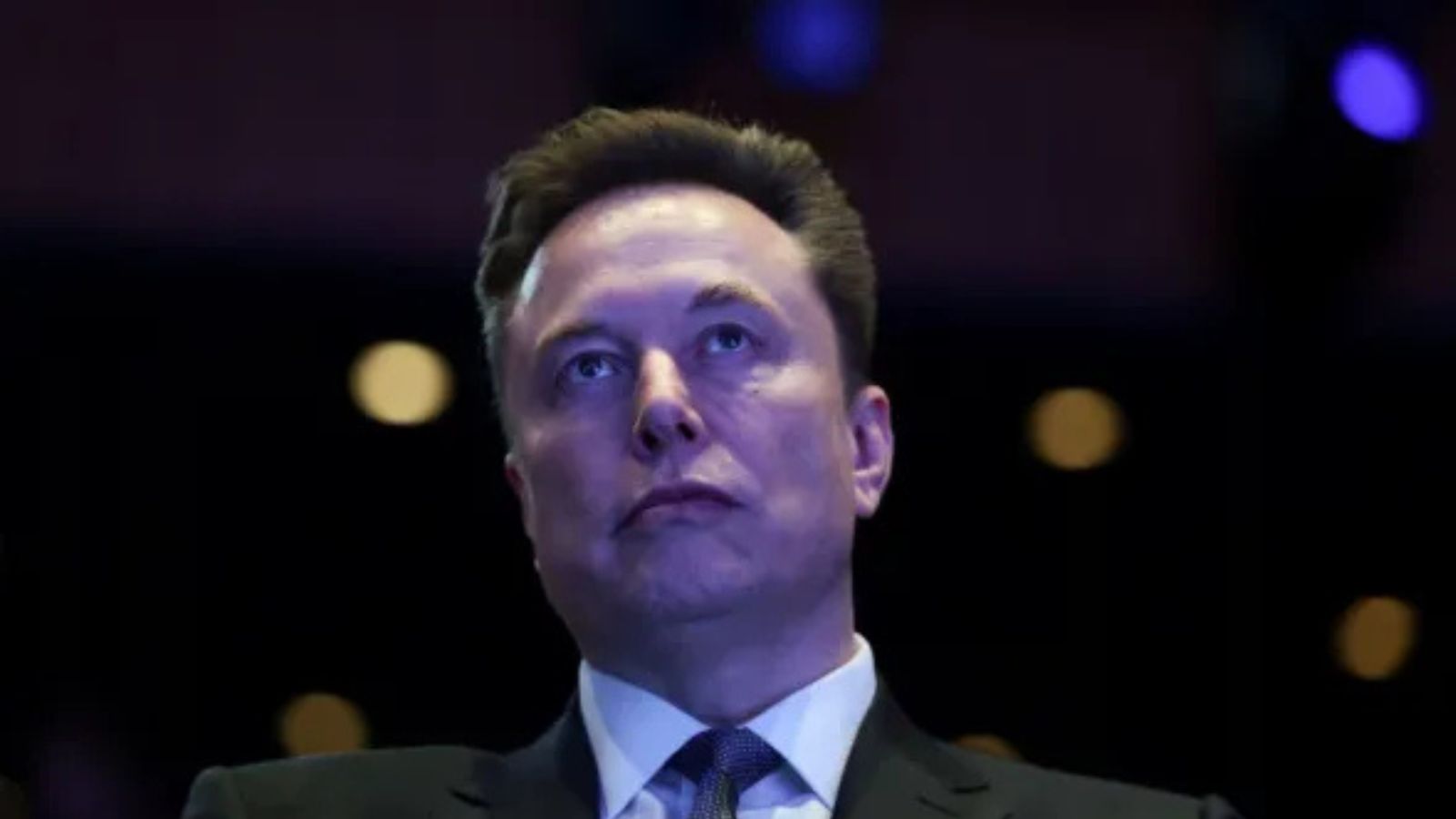
India's Department of Telecommunications (DoT) and security agencies are finalizing operational security conditions for foreign Low-Earth Orbit (LEO) satellite communications providers, notably Elon Musk's Starlink and Eutelsat OneWeb. To receive commercial satellite broadband licences, operators must comply with strict national security norms: setting up local earth gateways within India, ensuring lawful interception by intelligence agencies, and storing all user data locally on domestic servers. Security officials emphasized that allowing untethered foreign satellite communication without robust sovereign oversight could pose risks to critical communication infrastructure, while proponents argue LEO technology is critical to bridge the digital divide across remote Himalayan and island borders.
GK Context
The Telecommunications Act, 2023 significantly simplified satellite spectrum allocation by authorizing the administrative assignment of spectrum for satellite-based services, moving away from competitive auctions, aligned with global practices under the International Telecommunication Union (ITU). Low-Earth Orbit (LEO) satellites orbit between 500 km and 2,000 km above Earth, offering low latency (20–40 ms) compared to traditional Geostationary (GEO) satellites orbiting at 35,786 km (latency ~600 ms). Indigenous initiatives like IN-SPACe (Indian National Space Promotion and Authorisation Centre) facilitate private space sector participation while safeguarding national security priorities.
Comments
Loading comments…