
Key Facts
Key cultural and social features of Ningol Chakouba:
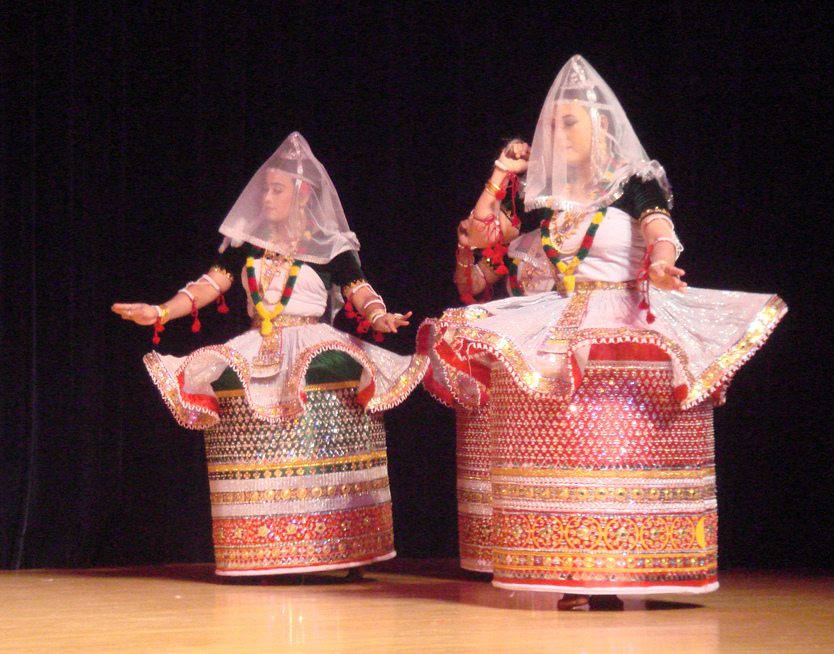
- The Tradition: Celebrated on the second lunar day of the Manipuri calendar month of 'Hiyangei' (October–November), where married women ('Ningol') are formally invited by their parents and brothers ('Piba') to their natal home for an elaborate feast ('Chakouba').
- Social Significance: Strengthens familial kinship, reconciles strained inter-generational ties, and provides married daughters lifelong emotional reassurance from their maternal home.
- Civil-Military Outreach: The Red Shield Division of the Indian Army organized community feasts in Bishnupur, presenting traditional Manipuri phanek and shawls to women from diverse ethnic groups.
- Symbol of Coexistence: Over the centuries, the festival has transcended the Meitei community to become an overarching bridge of peace embraced by hill tribes (Nagas and Kukis) and Muslims (Pangals) residing in Manipur.
GK Context
- The festival originated during the reign of King Nongda Lairen Pakhangba in the 1st century CE.
- Originally known as 'Piba Chakouba' (where married sons were invited by their sisters), it was transformed into 'Ningol Chakouba' during the 19th-century reign of King Chandrakirti Singh.
Static GK
- Bishnupur district in Manipur is home to the world's only floating national park, Keibul Lamjao National Park, situated on Loktak Lake.
- Loktak Lake is the largest freshwater lake in Northeast India, famous for its unique circular floating masses of vegetation and soil called 'Phumdis', which serve as the last natural habitat of the endangered Sangai deer (Rucervus eldii eldii), the state animal of Manipur.
UPSC Mains Framework
GS Paper I (Indian Culture & Salient Aspects of Art Forms, Literature, and Festivals) & GS Paper III (Internal Security): Analyze the role of indigenous cultural festivals and civil-military social outreach in bridging ethnic divides and restoring normalcy in conflict-affected regions of Northeast India.
Comments
Loading comments…