
Key Facts
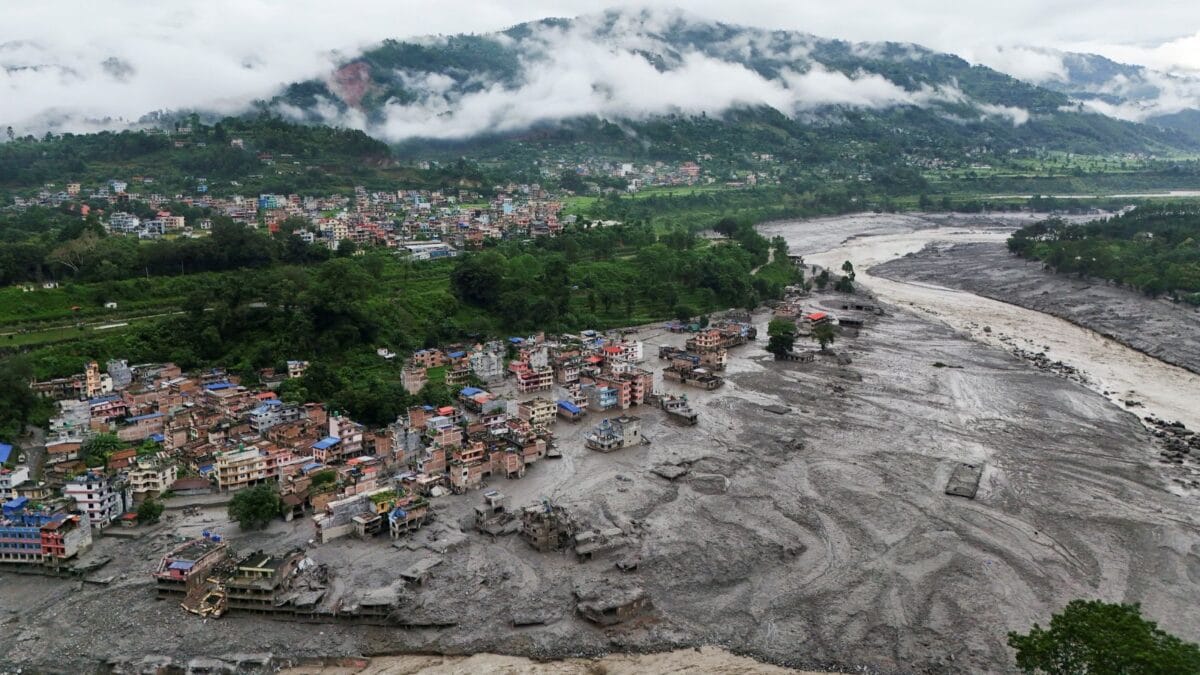
The catastrophic floods in Nepal in August 2026, overwhelmingly attributed to climate change, killed thousands and followed the 2022 Pakistan floods as another worst-case South Asian climate scenario. A legal scholar argues the case for Nepalese flood victims, especially those in the Trishuli and Bhote Koshi river basins near the Tibet border exposed to Glacial Lake Outburst Floods (GLOFs), should be analysed through climate litigation precedents from Europe and the U.S. In Lliyua v RWE, Germany's Higher Court of Appeal in Hamm ruled on 28 May 2025 that RWE, a German energy company, could in principle be held legally responsible for contributing to glacier instability near a Peruvian plaintiff's home 5,000 miles away, though the specific claim was dismissed for inadequate proof of imminent risk.
GK Context
Climate litigation is an emerging area of international environmental law where plaintiffs sue governments or corporations for damages linked to greenhouse gas (GHG) emissions. Key precedents include Urgenda Foundation v Netherlands (2019, Dutch Supreme Court mandated stronger emission cuts), Milieudefensie v Royal Dutch Shell (2024, Dutch appellate court on corporate duty of care), and Lliyua v RWE (Germany). Glacial Lake Outburst Floods (GLOFs) occur when a glacial lake's natural dam (ice or moraine) fails, releasing a sudden, often catastrophic volume of water — a growing risk in the Himalayas due to accelerated glacier retreat linked to global warming.
Comments
Loading comments…