
Key Facts
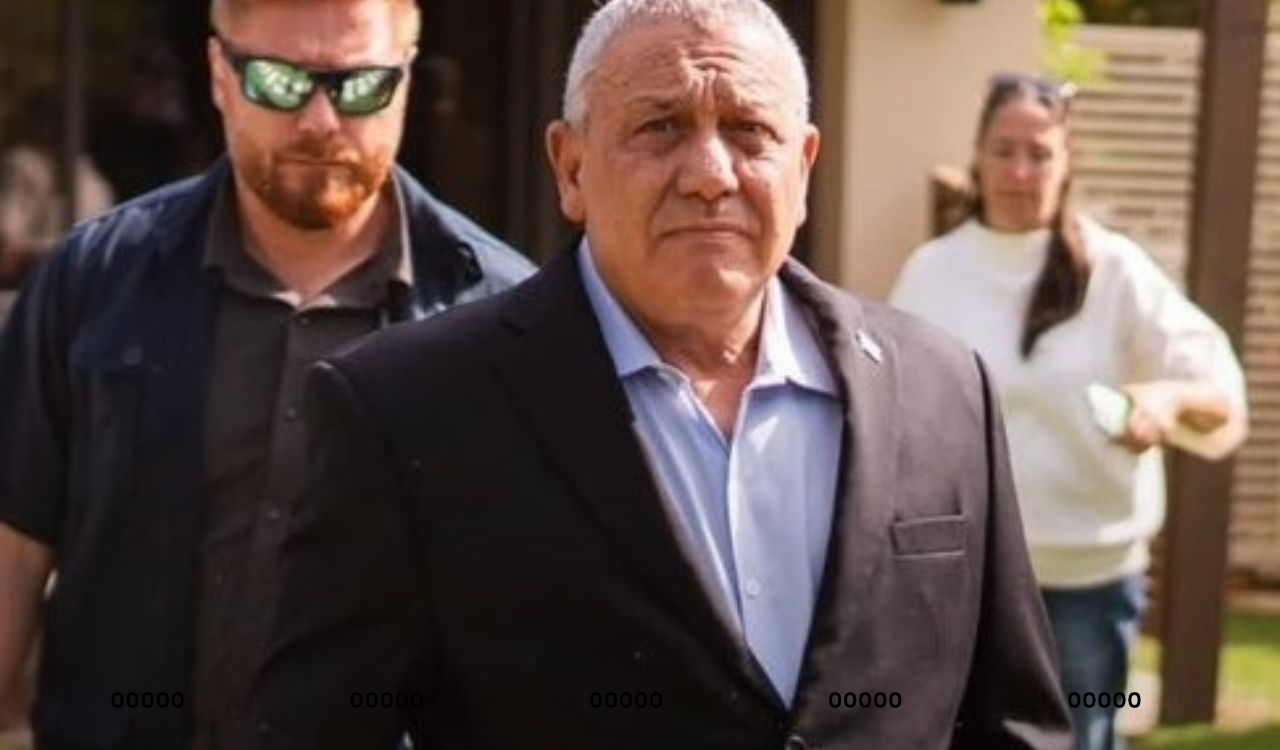
Israeli President Isaac Herzog invited opposition leader Gadi Eisenkot to form the next government, reflecting the mandate of the 27 October legislative elections. Eisenkot's centrist Yashar party finished second with 21 seats, behind Prime Minister Benjamin Netanyahu's Likud, which won 27, but the former military chief, who campaigned on an anti-Netanyahu platform, has secured the support of 67 legislators in the 120-member Knesset. The opposition is split between a Jewish-led bloc with 48 MKs and an Arab-led bloc of 19 MKs, with Arab parties offering in-principle support to keep Netanyahu's right-religious coalition out of power, though it remains unclear whether they would join the government or offer only outside support.
GK Context
Israel's Knesset is a 120-member unicameral legislature elected through proportional representation with a national electoral threshold. The President of Israel, a largely ceremonial head of state, formally invites the party leader most likely to form a stable coalition government, as no single party typically wins an outright majority. 'Outside support' refers to parties backing a government in confidence votes without formally joining the cabinet, a common feature of Israeli coalition politics given its fragmented multi-party system.
Comments
Loading comments…