
Key Facts
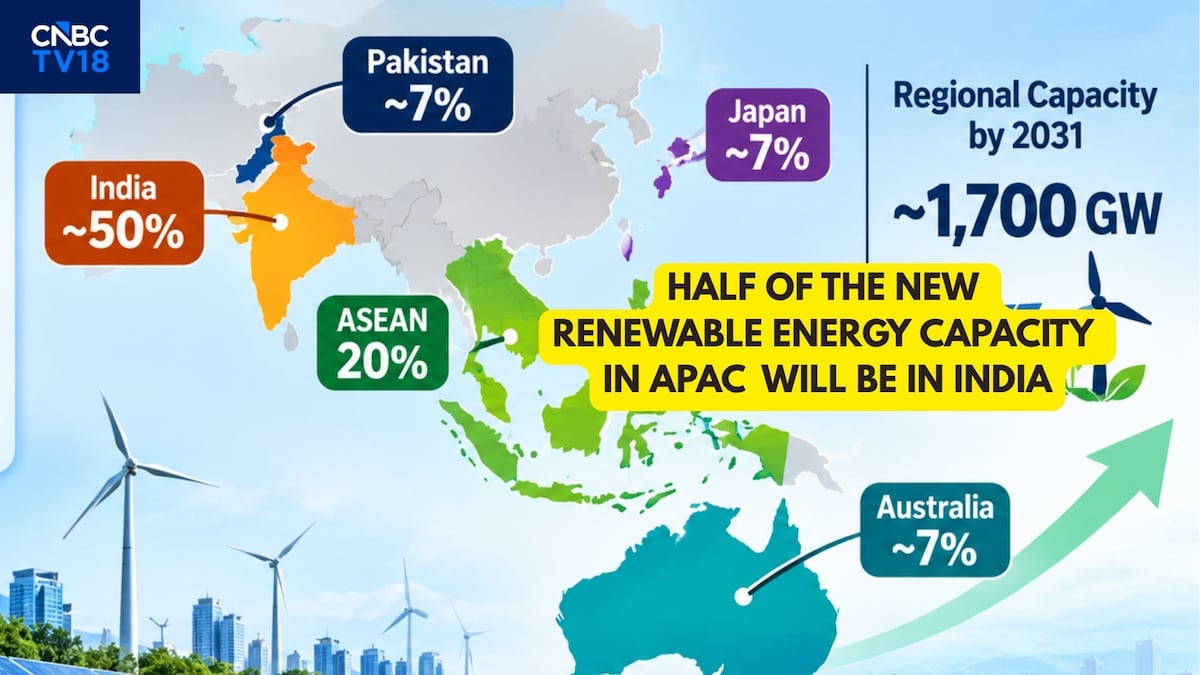
India aims at 500 GW of non-fossil power capacity by 2030 and has installed about 308 GW, giving it the world's third-largest renewable energy capacity. Battery storage lets solar and wind power be used when the sun or wind is absent, but India's installed battery storage was only about 9 GWh in mid-2026. An article noted recent approval of about USD 19 billion for state transmission and 50 GWh of storage to evacuate up to 135 GW of renewables by 2032-33, and cited the COP31 hosts' '35 by 35' goal of raising electricity's share of final energy use to 35% by 2035.
GK Context
India's National Electricity Plan and the Central Electricity Authority target 500 GW of non-fossil fuel-based capacity by 2030 as part of India's Panchamrit commitments announced at COP26 (2021), which also include reaching net-zero emissions by 2070. Battery Energy Storage Systems (BESS) address the intermittency problem of renewables by storing surplus daytime solar generation for use during evening peak demand. The Bureau of Energy Efficiency's 'India Energy Scenario' reports track the country's final energy consumption mix, where electricity's share has grown only gradually despite rapid renewable capacity addition.
Comments
Loading comments…