
Key Facts
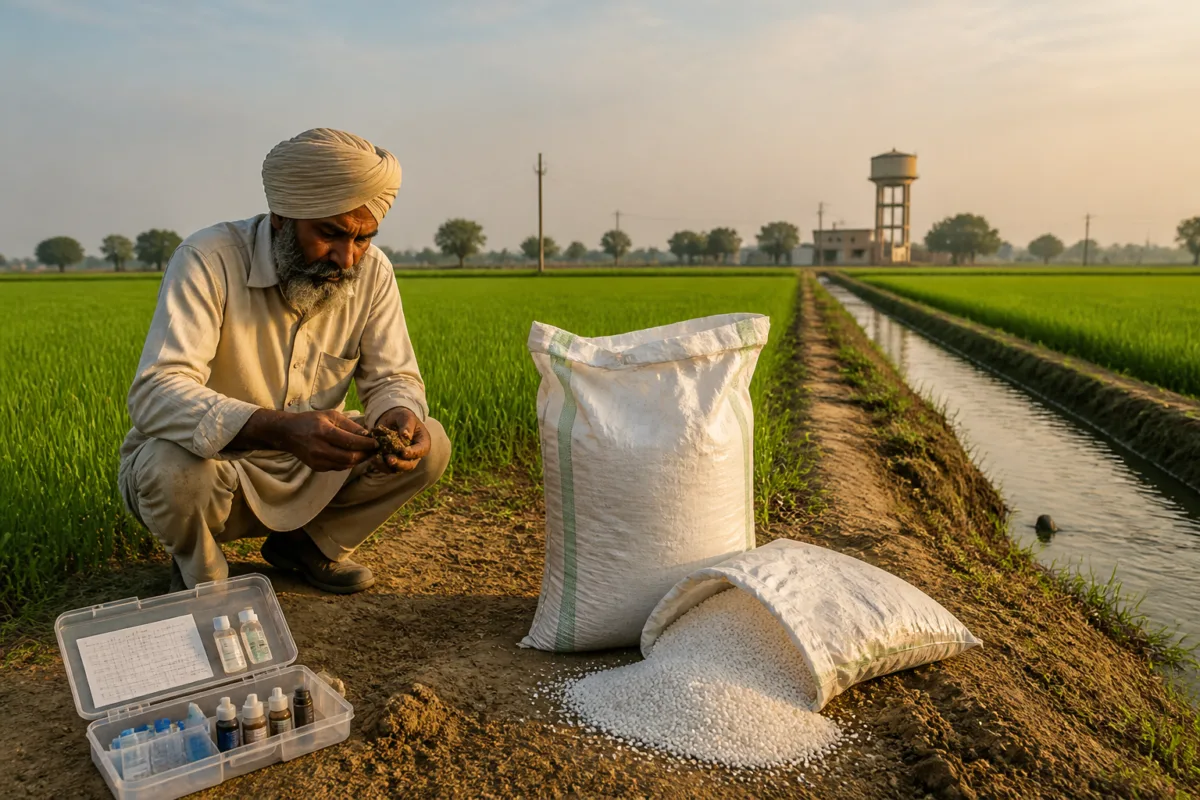
In a year when the subsidy bill is expected to increase, a 37.56% reported decline in fertiliser sales in select border districts during the 2026 kharif season came as a relief, following the introduction of direct distribution measures. The decline suggests tighter checks on cross-border diversion and smuggling of subsidised fertiliser, which has historically inflated apparent domestic consumption figures in border regions.
GK Context
India's fertiliser subsidy, one of the largest subsidy outlays in the Union Budget, is designed to keep urea and other fertilisers affordable for farmers, but has long faced leakage through smuggling to neighbouring countries where unsubsidised prices are higher, and diversion to non-agricultural (industrial) use. Direct Benefit Transfer (DBT) in fertilisers, linking subsidy release to actual point-of-sale transactions verified via Aadhaar-linked PoS machines at retail shops, aims to curb such diversion by ensuring subsidy reaches genuine farmer-buyers rather than being claimed on paper sales.
Comments
Loading comments…